
What is SEO writing? SEO is Search Engine Optimization.
SEO writing (or writing for SEO) is a specific way of writing to get attention from search engines using a particular word or phrase.
Commonly, we call it writing that targets a keyword or keyphrase to attract attention from search engines to websites.
Disclosure: This post has affiliate links. I earn a commission if you buy, at no extra cost to you.
Why is SEO Important?
A website needs to provide its content, service, or product to people for what they are searching for on search engines.
Because website owners need people (traffic) to come to their site and engage with their content, services, or products, they provide. So, they need search engines to point people to their websites by providing valuable content.
As always, relevant content and SEO-friendly content will be at the top of them.
It will decide how people will interact with your website and how search engines refer to your website from targeted keywords or key phrases.
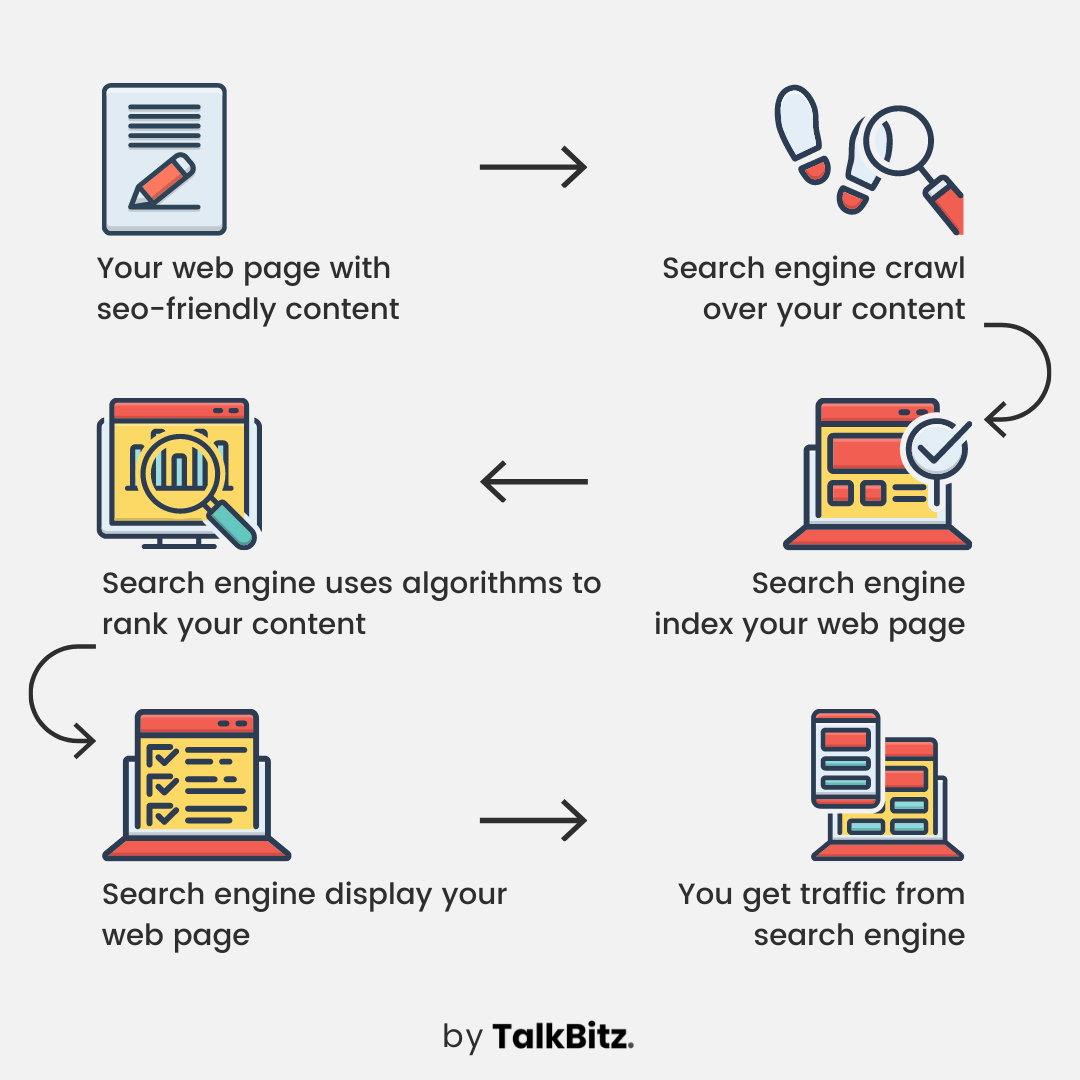
In this article, I will walk you through showing you essential SEO writing factors that I learned from my blog journey from the beginning.
Let’s dive into the guide!
1. Choose a keyword
Choosing the right keyword is the most important part of your SEO strategy. A keyword is a word or phrase that users enter into search engines to find the right information and solutions.
You need to put effort into picking the best, relevant, and low-competitive keywords for your website and create content around them to improve your search rankings.
The choice of keywords decides whether your website gets traffic or not. So take your time and research keywords.
To start your keyword research, you can use Semrush.
This is a leading SEO tool (and my favorite) that lets you do keyword research, check backlinks, and competitor ranks, track keyword ranking, and do a complete SEO audit of your blog.
When you enter a keyword into Semrush, it shows you the search volume of the keyword, difficulty, trend, and also keyword variations to get a proper idea about the keyword that you’re focusing on.
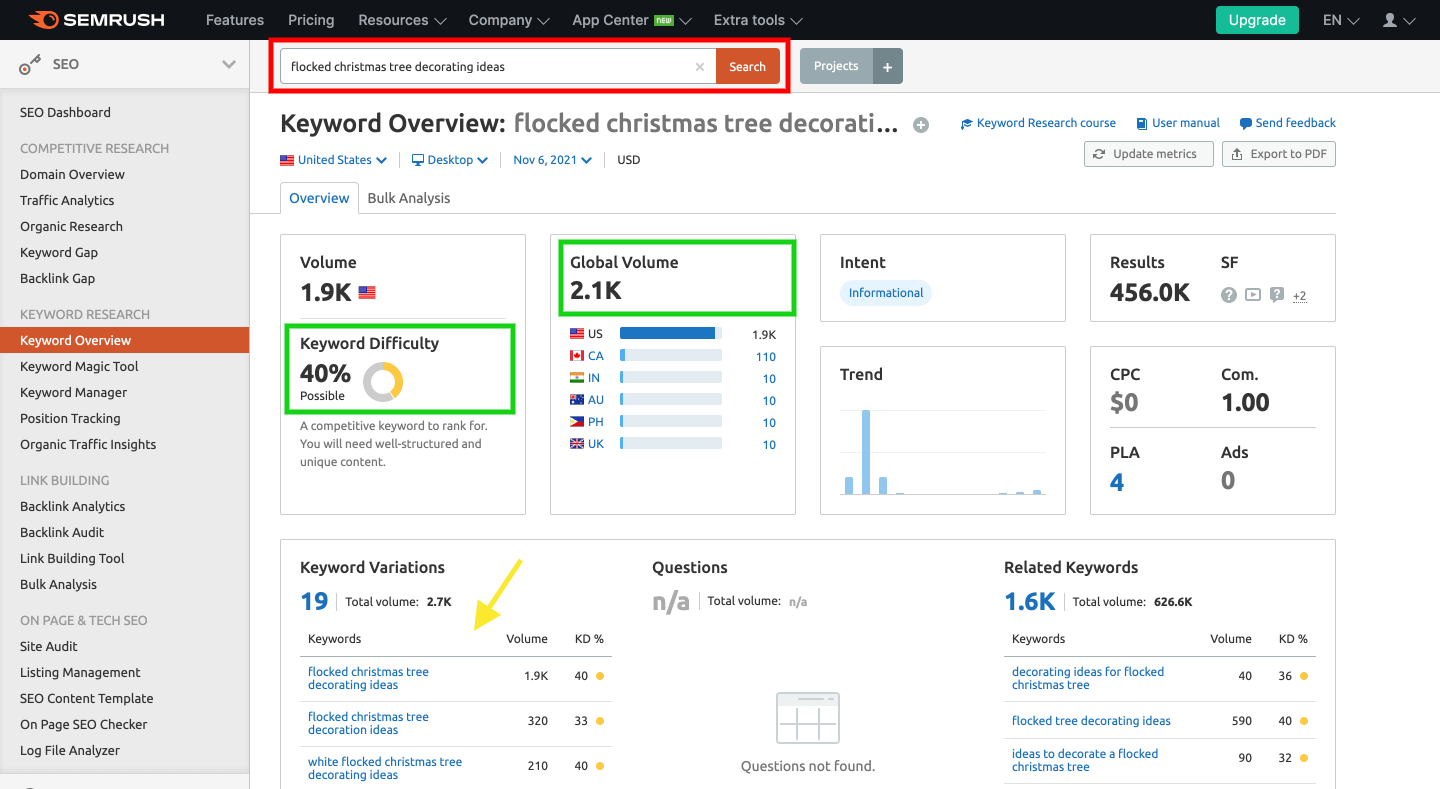
If the keyword has a significant search volume and the difficulty is possible, there is a greater chance you can rank your piece of content for that keyword.
You also need to pay attention to keyword trends. This means some keywords are searched more during certain times of the year (seasonal keywords).
As in the above screenshot, the keyword is mostly related to Christmas, so it can be a very effective way of promoting your business during the Christmas season.
If you’re a beginner and looking to learn more about keyword research, Semrush offers you a free keyword research course at no cost.
This course helps you to pump up your knowledge on the basics of SEO and keyword research.
Simply, click here to sign up for Semrush to try it free for 7 days.
2. Write a Perfect Title
The title is used to tell search engines and visitors what your page is about and how it’s valuable. You can write a catchy title to improve your click-through rate (CTR) on search engines.
However, you should aim to lengthen your title to 50-60 characters. It’s always better if you can include the keyword or phrase at the beginning of the title that you are focusing on writing.
3. Include the Keyword in the URL
You should have an optimized permalink structure for SEO writing, which means your post URL should focus on your content and keep it short and SEO-friendly.
If you’re on WordPress, you can set up your permalink structure from “General settings” to make it understandable for your visitors.
Moreover, make sure your website or blog uses an HTTPS (Hypertext Transfer Protocol Secure) connection. If not, you have to purchase an SSL certificate (Secure Sockets Layer) for your website or blog.
Namecheap offers SSL Certificates for the lowest prices in the market.
If not, you can contact your hosting provider to purchase an SSL certificate.
4. Start Writing Including Keyword(s)
Make sure to include your focused keyword in your first paragraph, the beginning of your SEO content. That will help you to kick-start SEO writing by giving an introduction to what you’re writing about.
Also, make sure to include your keyword in the places below:
- Title
- URL
- The first paragraph
- Subheadings (where possible)
- Paragraphs (if possible)
- Alt-tags for images
And another thing is to write your content in your own style and place your keywords naturally.
If you’re running a WordPress blog, don’t forget to install Rankmath (or Yoast) WordPress plugin to make it easy to optimize your content with built-in suggestions based on best SEO practices.
5. Link to Other Posts
In SEO writing, internal links are vital to telling search engines what’s on your website. It makes a structure for your website, and visitors can easily navigate your website, which means visitors will spend more time on your website.
So, you can link every relevant blog post to each other.
6. Get Links From Other Websites
We can call them “Backlinks.” A backlink is a link from another website that has been linked to your website. Backlinks to your website are a signal to search engines that others have trust in your content.
According to Backlinko, the number of domains linking to a page was the factor that had the highest correlation to rankings on Google.
That means backlinks can make a significant impact on a website’s growth in search engine results.
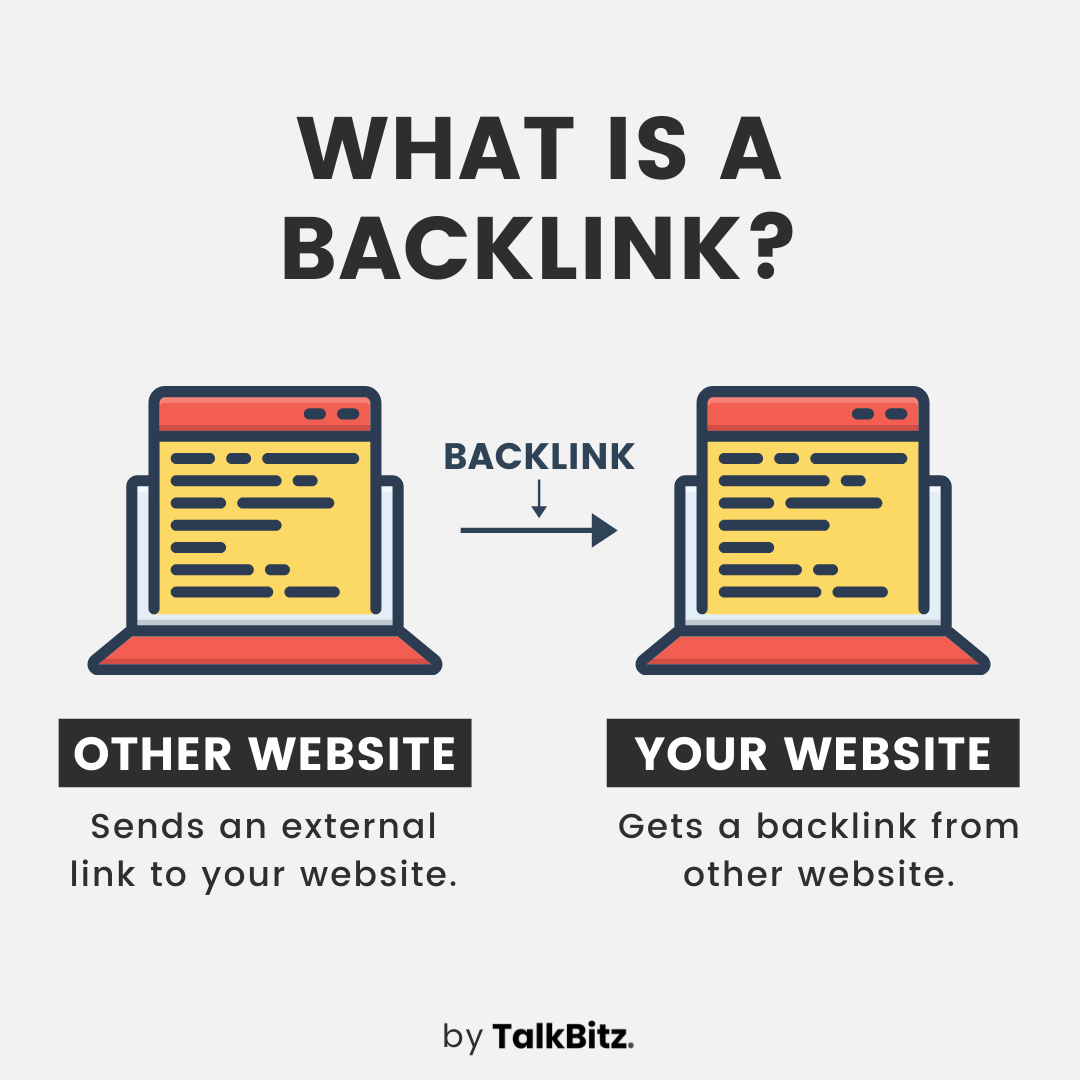
Always, the quality of links is far more critical than the quantity of how many links you get. It should be linked in a natural way and should be relevant to your content.
The best way to do this is to write unique “up-to-date” content and reach out to the other sites that still have a link to the outdated content.
What’s Next on SEO Writing?
There’s more on the subject of SEO, but above are the basics of SEO writing. I hope that will surely help beginners to understand what exactly is SEO writing.
Always write content for “your readers.”
In my experience, after you publish content, you need high-quality backlinks to get ranked in higher positions on search engines.
I hope this quick walkthrough will be really helpful for you to figure out what is SEO writing.
If you want to do more and grow your online visibility with the right tools, don’t forget to check out the recommended tools!