Most “trending product” lists are just the first Google results with a different headline.
Look, I’m not mad at them, but do they actually help you if you want to know what’s really trending right now?
So I built this one to be different, and the reason behind it matters too. I used Pinterest’s own shopping trends and month-over-month (MoM) data instead.
Went through each one to see which actually turn into something you can sell, and which are trending for reasons that won’t make you money.
The list is ranked by outbound clicks growth, which means real people are actually clicking through to buy these, not just searching for them.
Some opportunities here are solid. Others are trending for the wrong reasons, and I’ll point those out so you don’t waste time sourcing something that won’t convert.
So here’s my list of trending products to sell online, what’s actually worth selling in each, and the ones I’d skip in July 2026.
What's Trending
1. Sunscreen: +157% MoM
Outbound clicks up 157%, and the curve tells a more complicated story than the number suggests. It spiked hard to 100 around April, dropped pretty sharply to around 20 by mid-May, and now it’s climbing back toward 80 heading into late June.
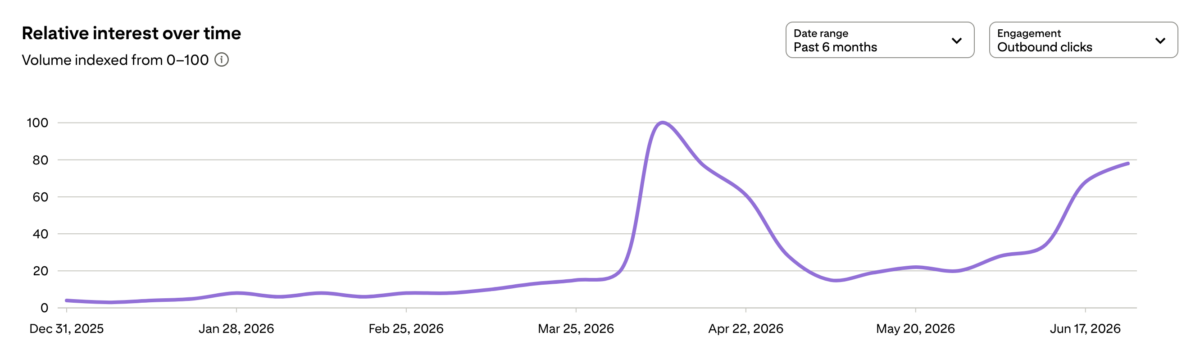
So some of that +157% is just the bounce from a low point, not a fresh trend building from the ground up.
That part matters before you get too excited about the number.
The search queries here are: healthy stuff, skincare products, essentials, lotion, tanning products, things I need, tanning oil, products, skincare, makeup inspo, tanning, beauty hacks, oil, face makeup, la roche posay, body skin care, korean sunscreen, makeup must haves.
La roche posay and korean sunscreen showing up tells you some of this is already-decided demand. People know what they want, and they’re clicking through to find it specifically, not browsing for something new to try.
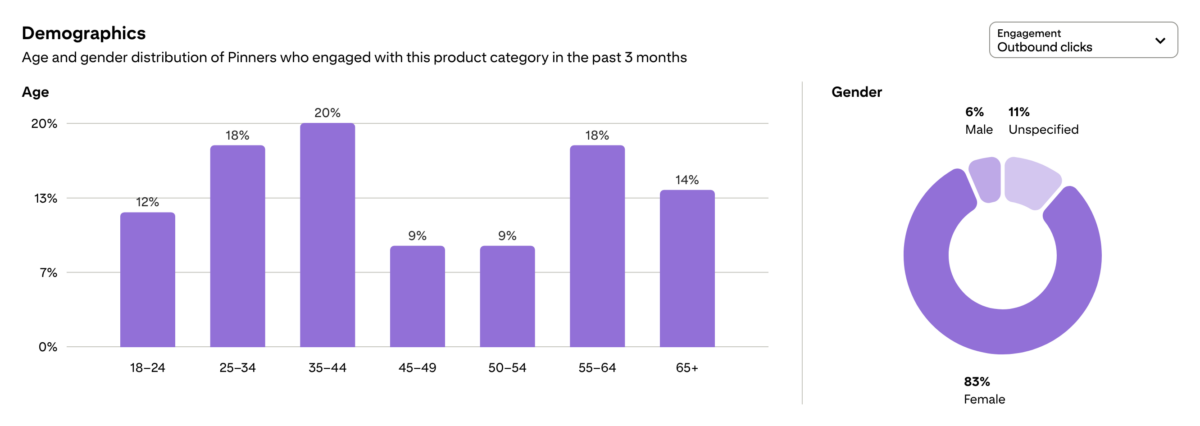
The audience is 83% female, spread pretty evenly across 25-34, 35-44, and 55-64 at around 18-20% each. It’s a wider age range than most skincare categories on this list.
What to sell: In many regions, sunscreens are regulated as medicines, which means ingredient requirements, labeling compliance, and testing before you can legally make claims on the label.
That’s not impossible, but it’s not a quick start either.
The easier entry point is the stuff that goes alongside the sun care routine. Skincare pouches, summer beach kits, curated bundles through dropshipping, or sun-themed accessories rather than the sunscreen itself.
But you still need to check the regulations on that side too.
Best platform: Etsy for handmade and gift-oriented items. Shopify if you’re building a curated summer skincare brand.
The curve dropped once already and came back. It will likely do the same once summer winds down, so don’t over-commit to inventory expecting this to hold all the way through fall.
2. Laundry Hampers & Supplies: +106% MoM
Was flat for months. December through April, the interest line sat at around 20-25, barely moving at all. Then May happened, and by mid-June it’s nearly at 100.
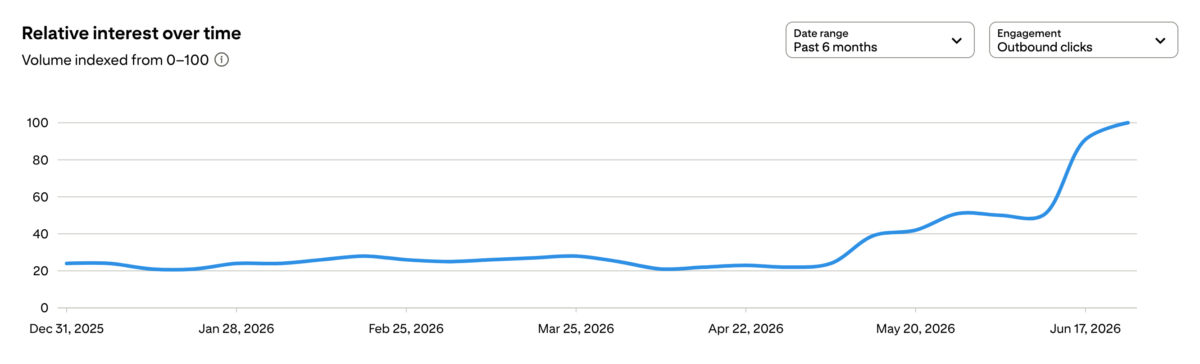
That kind of move from flat to peak isn’t a gradual seasonal pattern. Something pushed this category up fast.
The search queries this month are: storage, products, small laundry, cleaning, washer and dryer, laundry room ideas, washer, cleaning products, dryer.
Still room-level intent, not just “I need a hamper.” Small laundry is a detail worth noticing.
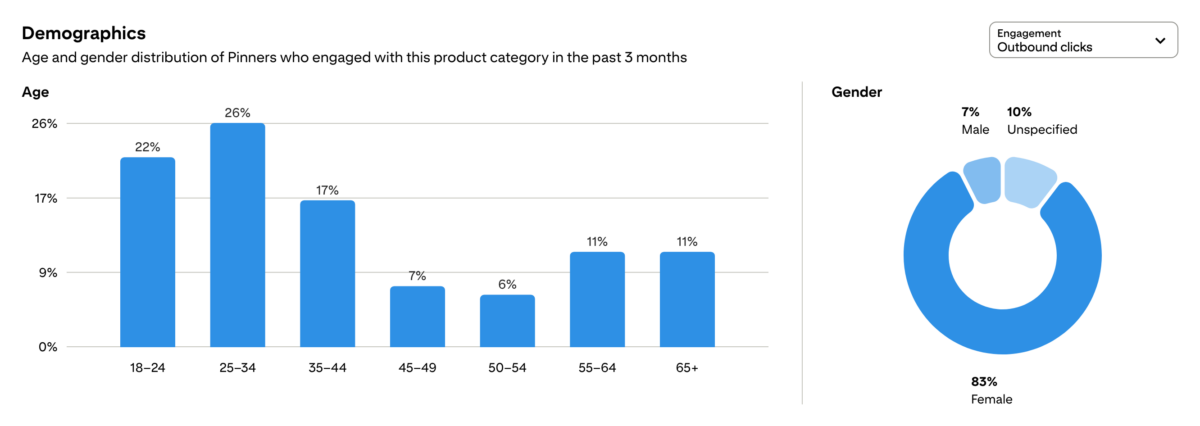
That’s a query coming from an apartment renter, not a homeowner with a dedicated laundry room. And the audience has shifted younger compared to last month: 25-34 now at 26% and 18-24 at 22%. 83% female.
What to sell: Aesthetic laundry supplies that look good on Pinterest and in a small space, linen hampers, woven baskets, matching storage sets. Custom printable labels and organization systems on Etsy fit the room-refresh mindset showing in the queries too.
For the small laundry angle specifically, collapsible hampers and space-saving organizers are worth looking at. Most sellers build products for full-sized laundry rooms, and the apartment segment just gets ignored.
Best platform: Etsy for decor and printables. Amazon if you’re sourcing physical hampers through wholesale or private label.
The spike just happened, and it’s still going. The window is open right now.
3. Sports Uniforms: +66% MoM
No search queries visible in the data for this one, so it’s just the interest curve, the top products, and the demographics, and those three together still tell you quite a bit.
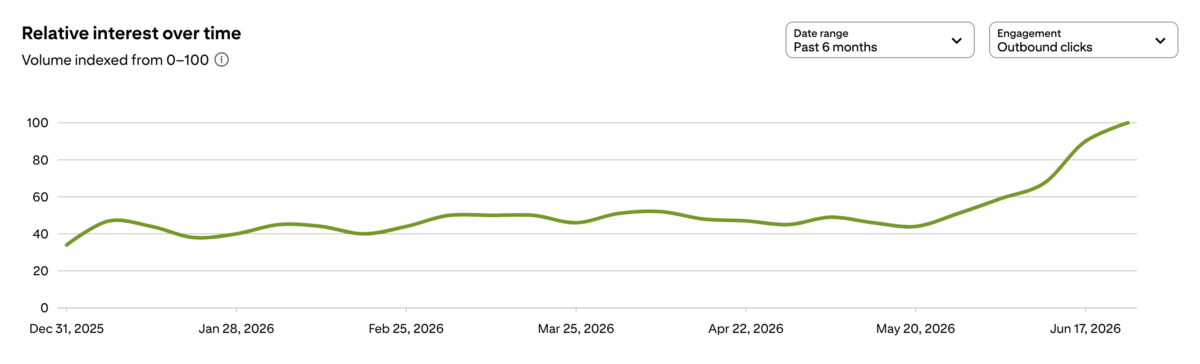
The interest line has been climbing since December, not a spike, a slow, steady build from around 40 all the way up to 100 by mid-June. Six months of consistent upward movement is a different kind of signal than a sudden seasonal jump.
The top products visible in the data are dominated by soccer jerseys, national team kits, and replica club jerseys from various sporting goods retailers.
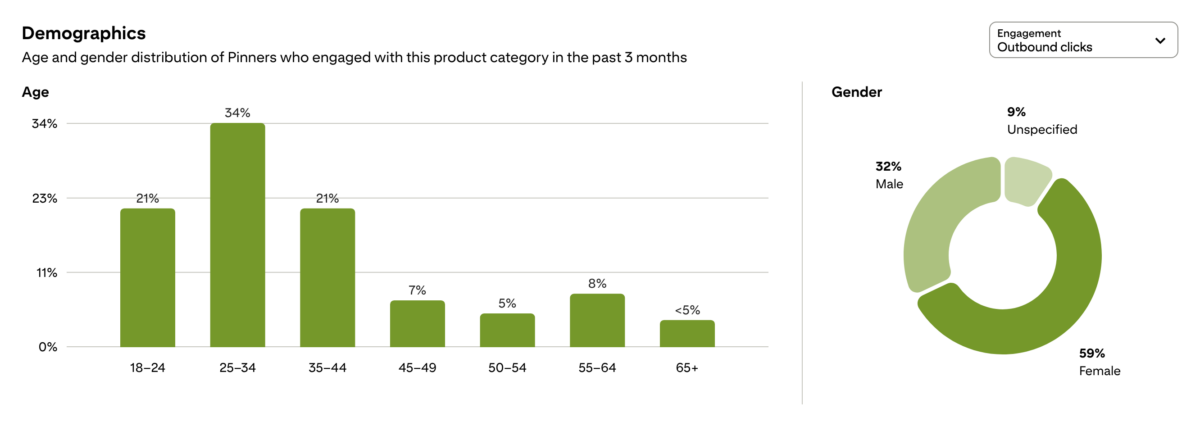
And the 32% male share here is one of the highest you’ll see anywhere on this list. 59% female overall, with the biggest groups at 25-34 and 18-24.
The context that ties this together, the FIFA World Cup 2026 is happening right now, and that is almost certainly what pushed this curve over the top in June.
The catch is that licensed sports jerseys are protected IP. Official national team or club jerseys require licensing agreements that a new seller isn’t going to have.
What to sell: The opening is in the unlicensed lane. Custom jerseys for local youth leagues, recreational adult teams, school spirit gear, or family reunion team shirts. These buyers need bulk orders, and they are not finding them from the big licensed brands.
Custom sublimated jerseys through print-on-demand are a realistic path here; you design it, the supplier prints and ships, no inventory needed.
Best platform: Shopify or a standalone site if you’re going after custom team orders. Etsy for individual personalized jersey designs.
The World Cup window is short, so the timing is tight. If you are into this right now, that might feel like an impossible thing, but jerseys are really the play here.
4. Toilet Paper Holders: +53% MoM
What’s interesting here is that this category wasn’t struggling before. The interest line was holding steady at around 55-65 for the entire six months leading up to this, and then in May and June it pushed up to 100.
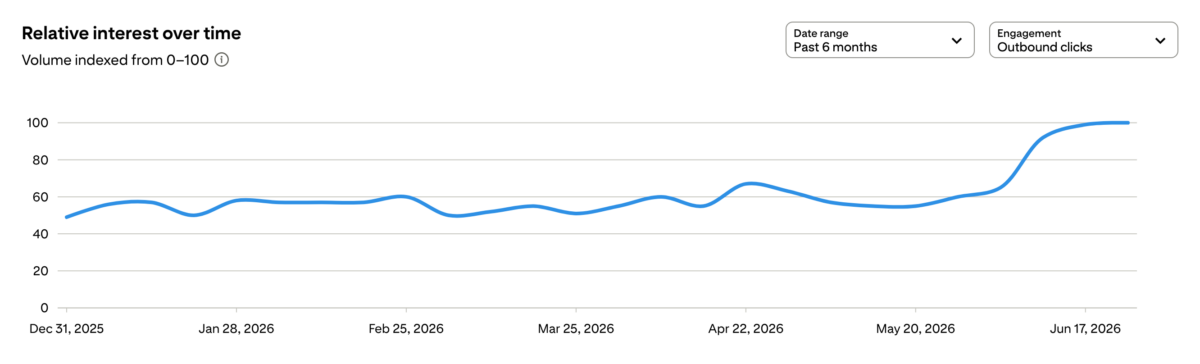
So this isn’t a dead category suddenly waking up, it’s an already-active one that just got more popular, and that’s a more stable kind of signal.
Pin saves are actually down 6% while outbound clicks are up 53%. Same pattern you see when people already know what they want and are clicking to buy now, not bookmarking to come back later.
The search queries here are: diy bathroom, toilet paper storage, restroom, bathroom storage, bathroom towel decor, toilet paper, diy bathroom decor, bathroom, bathroom storage cabinet, bathroom decor ideas, bathroom accessories, decor, decoración de baño, toilet storage, dream bathroom.
Two things stand out. The diy bathroom and diy bathroom decor queries suggest people are mid-renovation or mid-refresh, buying several things at once rather than just replacing one broken holder.
And decoración de baño showing up in search data that’s mostly English means there’s a Spanish-speaking buyer most sellers are writing their listings entirely past.
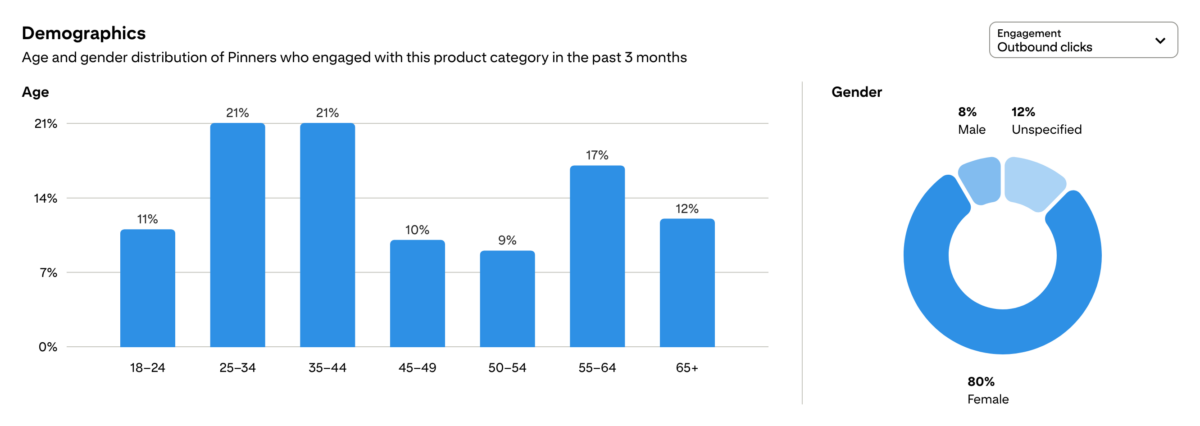
80% female. Age range is wide, 25-34 and 35-44 both at 21%, 55-64 at 17%.
What to sell: Statement bathroom hardware that photographs well for Pinterest, black matte finishes, antique brass combinations, or rustic wood-and-metal designs.
If you have a laser cutter or CNC router, custom wood bathroom accessories fit the dream bathroom aesthetic that’s coming through in the queries pretty clearly.
Personalized bathroom decor on Etsy also fits here, custom name plaques, aesthetic storage labels, things that make a bathroom look like it was designed on purpose rather than put together one piece at a time.
Best platform: Etsy for handmade and custom pieces. Shopify if you’re building a bathroom decor brand.
The decoración de baño angle is somewhat easy to act on if you’re already selling on Etsy. A bilingual listing with that term in the tags is something most sellers won’t think to do.
5. Face Makeup: +49% MoM
The curve peaked around 80 back in early February, pulled back, and now it’s hit 100 in June. So this is the second time this year the category has reached a high.
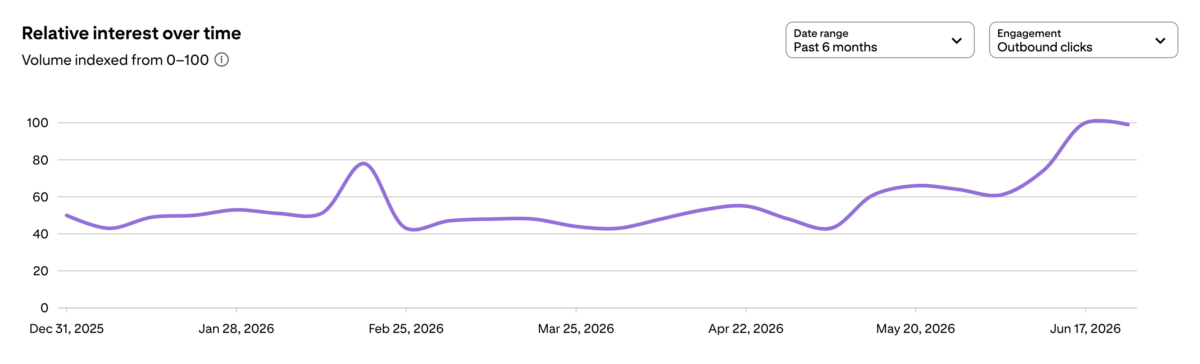
It didn’t come up from a low base; it bounced from a mid-level and went higher, which tells you this is a category with strong, consistent demand, not a one-time surge.
The search queries here cover a lot of ground: powder blush, eye makeup, bronzer, makeup routine, beauty hacks, foundation, face makeup tips, makeup artist, skincare, pretty makeup, makeup inspo, concealer, makeup and skincare, makeup tutorial, natural makeup, makeup tips, easy makeup.
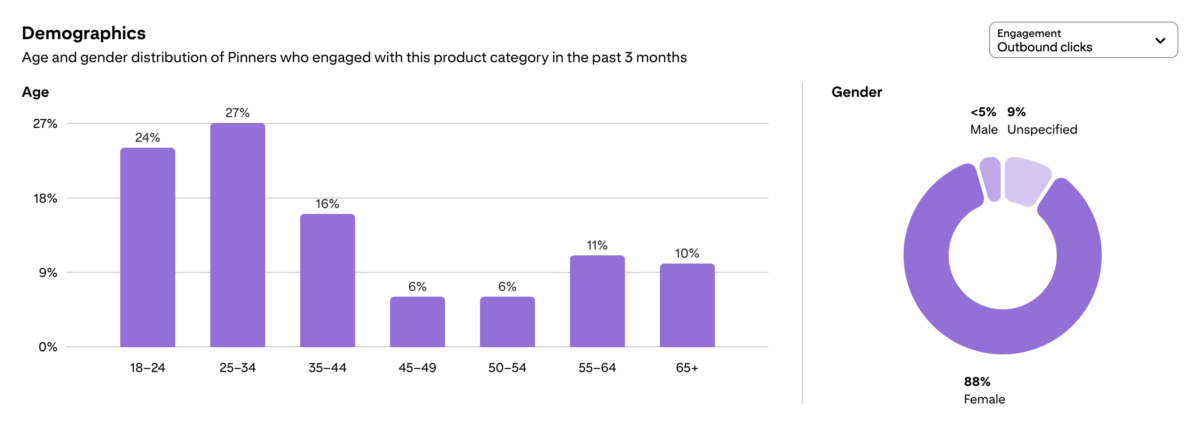
88% female, which is the highest gender skew of any category on this list. The audience is young: 25-34 at 27% and 18-24 at 24%.
What to sell: Starting a new makeup brand from scratch is a long road. The trust barrier in beauty is real, and the queries show people already gravitating toward specific brands they know by name.
Going directly up against that as an unknown seller is a tough spot to start.
The more realistic entry is through what goes with makeup, not the makeup itself. Brush sets and brush organizers, acrylic makeup storage, custom pouches and bag rolls, or digital products like printable makeup routine charts and color match guides on Etsy.
Those ride the category interest without competing against brands that have years of reviews stacked behind them.
Best platform: Etsy for tools, accessories, and digital products. Shopify if you’re building a beauty brand with a longer content and audience strategy behind it.
Natural makeup is one of the more interesting queries in this list because it’s searched heavily but not brand-captured, so if you’re going to try a product angle, that’s probably where to look first.
6. Serums & Essences: +48% MoM
This one started the year at 100 back in late December. Then it came down through January and February, moved around in the 60-80 range with a few dips, fell to about 40 by April and May, and now it’s back to around 80 heading into late June.
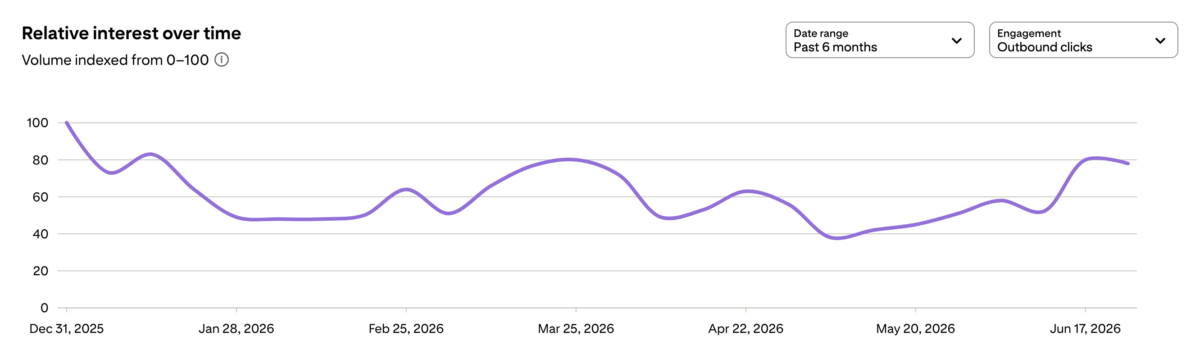
The +48% is a recovery from a dip, not a new high. The read of the six-month curve is that the category has been declining overall from its December peak, and this is a partial bounce, not a fresh trend forming.
The search queries here are very outcome-specific: glass skin, korean skincare, niacinamide, hydration, glowing skin, clear skin, skincare routine, face serum, sensitive skin, natural skincare, spots, pimples, wrinkles.
People aren’t browsing. They’re searching for a result. Glass skin and korean skincare are trend phrases, but niacinamide showing up is the more important signal.
That’s an ingredient-aware buyer who reads labels and does research before buying, not someone who just clicks on whatever looks nice.
85% female. The age spread here is notably older than the face makeup category: 25-34 at 28%, but 65+ at 16% and 55-64 at 14%.
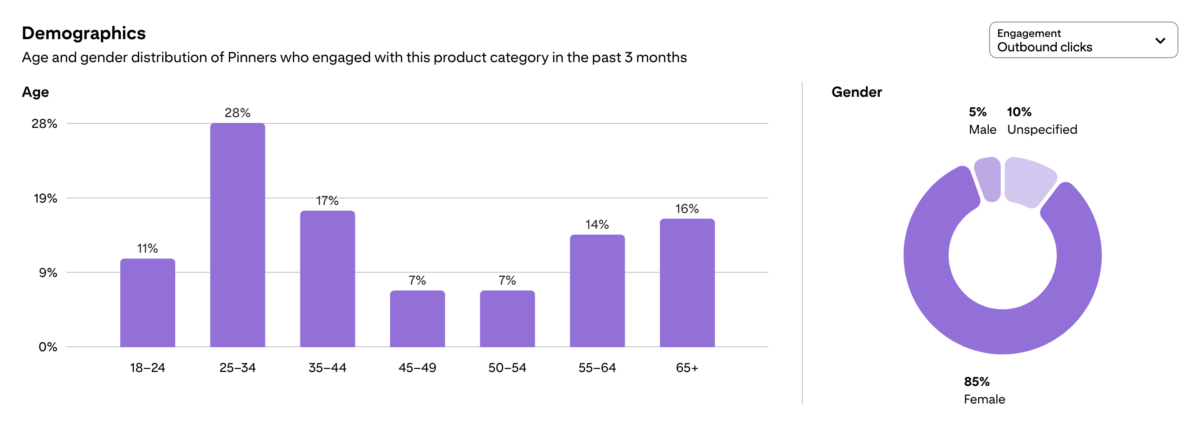
That’s a meaningful older segment that most sellers writing glass skin content will walk right past, because the 65+ buyer is searching for wrinkles and clear skin results, not trend aesthetics. Those are two different conversations.
What to sell: Private-label serums are technically possible, but might be slow, ingredient testing and labeling compliance add real time and cost before you can legally sell anything with a skincare claim.
A lower-barrier entry is facial tools and accessories, gua sha sets, roller bundles, skincare organizers, or skincare routine guides as digital downloads on Etsy.
If you want to go the product route, dropshipping through Shopify is a lower-risk starting point than building your own formula from scratch.
Best platform: Etsy for tools and digital skincare content. Shopify if you’re curating a skincare brand around a specific routine or approach.
The older buyer in this data is worth keeping in mind when you write your listing copy. Two different people are searching the same category, and most sellers are only writing for one of them.
7. Bandanas: +47% MoM
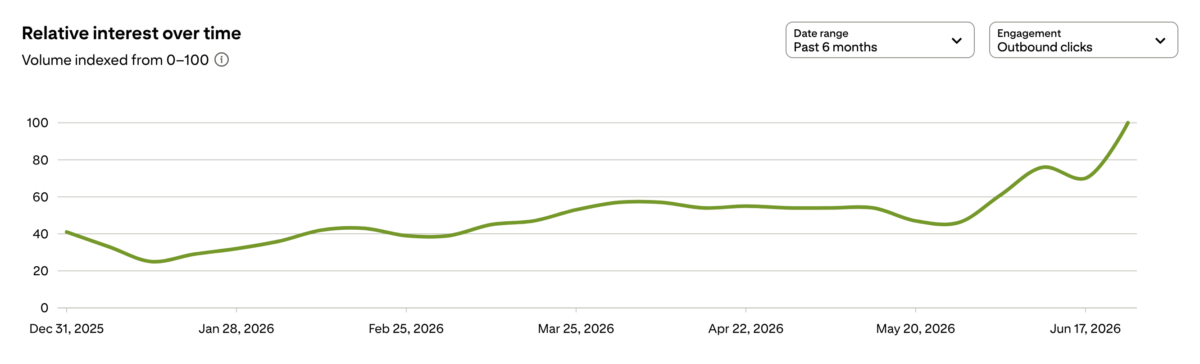
Six months of mostly clean upward movement. Started around 25-30 in December, climbed slowly through winter, then picked up speed in May and June to hit 100.
There’s no obvious seasonal spike point, no sudden trigger; it’s just been going up steadily, and that’s a more stable kind of trend to catch than something that jumps overnight.
The search queries here are: bandana hairstyles tutorial, bandana styles, bandana design, bandana hair, scarves, embroidered bandana, cowboy, head bandana, bandana print, bandana scarf, scarf top, hairstyles for women, headband, bun, bandana hairstyles short, head scarf.
What’s interesting is how many of those are about styling, not just buying. Bandana hairstyles tutorial, how to wear it, how to tie it. People are still figuring out what to do with the thing before they’ve decided which one to get.
That’s style inspiration content driving product clicks, and it means the buyer is still in the exploration phase, which is good for sellers who can show them something specific.
Cowboy in the queries fits the western fashion trend that’s been running through the past year or so. And embroidered bandana is specific enough to tell you handmade and customized versions have real demand here, not just bulk printed ones.
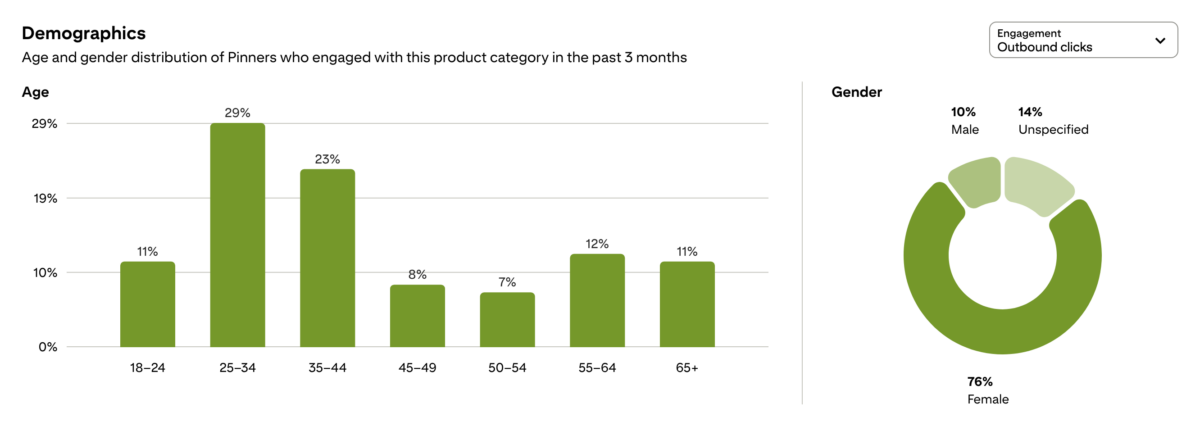
76% female, biggest groups at 25-34 (29%) and 35-44 (23%).
What to sell: Custom embroidered bandanas, hand-dyed or tie-dye fabric bandanas, or western-style printed designs on Etsy. Materials are cheap, the items ship light, and the search queries are pointing toward designs and custom work, not generic options. That’s the lane a new seller can actually compete in.
Best platform: Etsy.
Also, six months without a major pullback is unusual for an accessories trend. Watch whether it holds through August or softens once summer fashion cools.
8. Lanyards: +46% MoM
The curve already hit a similar high back in January and February, pulled back to around 40-45 through March and April, then climbed again to 100 in early June before dipping to about 90.
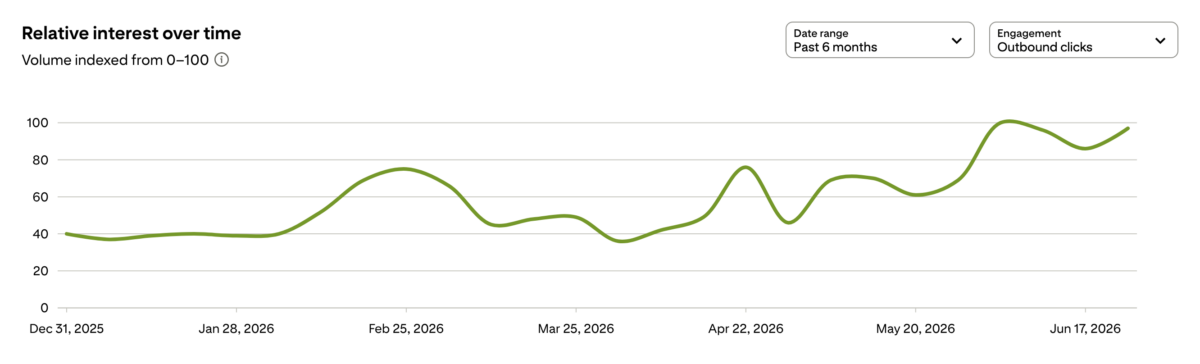
It’s done this twice in one year, which is worth knowing before you read the +46% and assume it’s a clean upward trend.
That is not what is happening here. This is just a recovery trying to reach a level it already hit in the past, nothing more than that.
The search queries tell you exactly what’s actually happening: beaded phone charms, beaded keychain, beaded lanyard, phone charm, charms, accessory, phone strap, keychain. And then iPhone and teacher lanyard mixed in there.
This isn’t really about traditional lanyards. The beaded accessories trend is what’s driving the outbound clicks, and lanyards just happen to be the category Pinterest put them in.
People are making and buying beaded phone charms and keychains, and a beaded lanyard is an extension of that, not a separate demand.
Teacher lanyard is its own pocket inside this data. Someone buying a teacher ID badge holder is a completely different buyer with a functional need, and that demand doesn’t rise and fall with fashion trends.
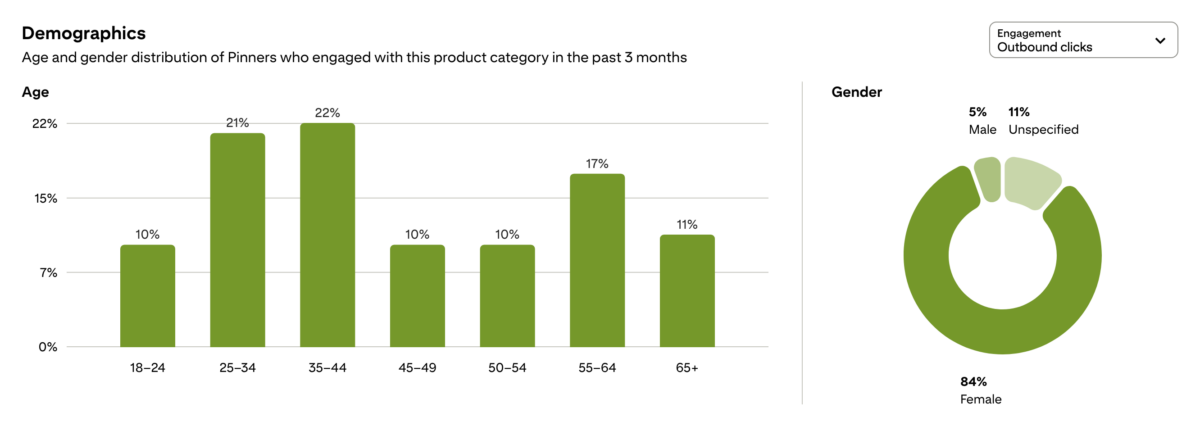
84% female. The age range here is wider than you’d expect for a trendy accessories category: 35-44 at 22%, 25-34 at 21%, 55-64 at 17%.
What to sell: Beaded phone charms, beaded keychains, and custom beaded lanyards on Etsy. Materials cost almost nothing, the items ship in a small envelope, and they photograph well for Pinterest, which matters in a category where people are browsing visually before they click.
The teacher-specific angle, with ID badge holders and teacher-themed charm sets, is a more practical niche with a buyer who needs the product regardless of what’s trending.
Best platform: Etsy.
For a handmade product with low material costs, the downside if the trend softens is pretty manageable. The zigzag in the curve is the thing to watch, not a reason to skip it entirely.
9. Uniforms: +40% MoM
There are two completely different buyers in this category, and the search queries make that obvious from the start.
Half of the queries are sports-driven: jersey, football shirt, fc barcelona, hockey jersey, new york knicks, world cup 2026, football jersey, basketball jersey, argentina jersey, mexico jersey, messi, real madrid, soccer jersey, baseball jersey. The other half: scrub, scrubs outfit.
Two different people, two different reasons to be clicking on uniform content in June.
FC Barcelona, messi, argentina jersey, real madrid, these are brand and team-specific searches, and the same licensing challenge applies here as it does in the Sports Uniforms category above. Official club and national team merch requires licensing you’re not going to have as a new seller.
The scrubs side is quieter in the data but a more sustainable opportunity. Healthcare workers and students buy scrubs regularly because they need them for work, not because the trend told them to.
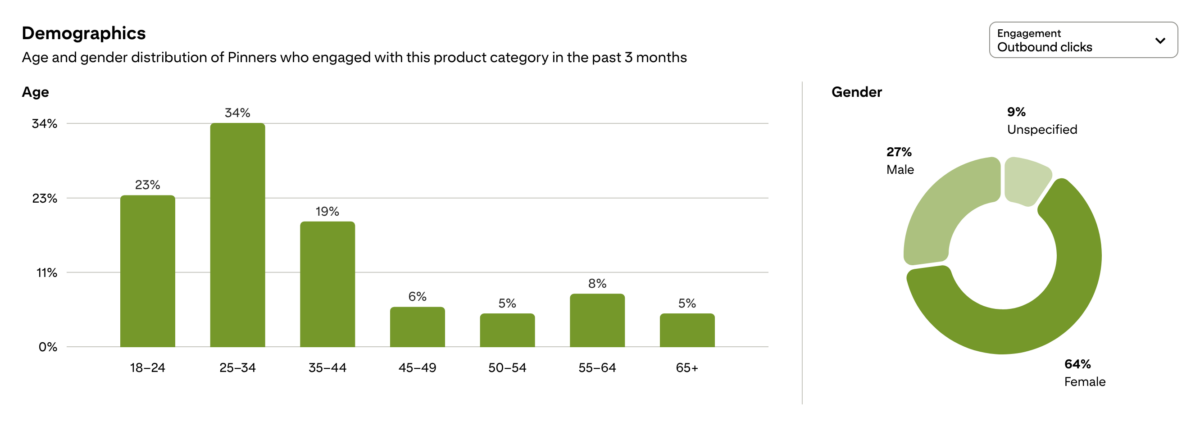
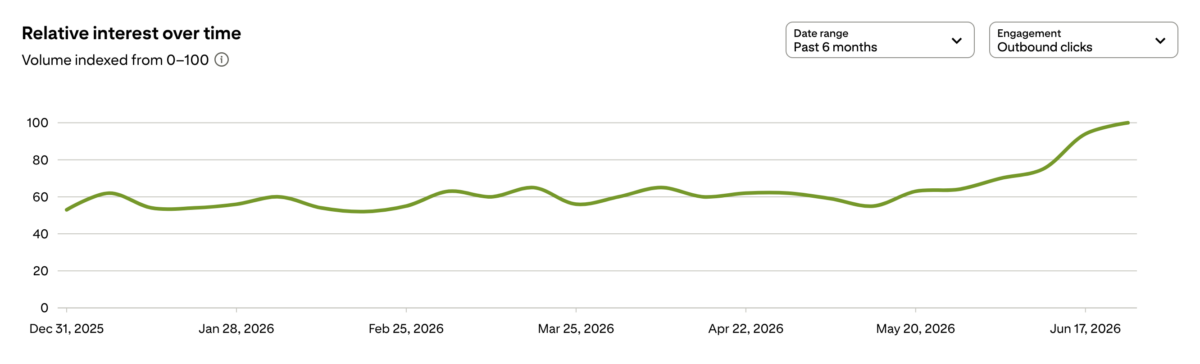
27% male here, one of the highest on this list. 64% female. The curve was stable at 55-65 for months, then pushed to 100 in June, and that timing matches the World Cup almost exactly.
What to sell: The scrubs angle is the more interesting opening for a new seller. Custom embroidered scrubs, personalized name patches for nurses and medical workers, or scrubs accessories like badge reels and pocket organizers are practical products for a buyer with ongoing need.
That demand doesn’t disappear when the tournament ends.
For the sports side, same approach as the Sports Uniforms section: custom jerseys for local leagues, youth teams, and school sports rather than licensed professional content.
Best platform: Etsy for personalized patches, embroidery, and scrubs accessories. Shopify if you’re building toward a custom uniform order business with repeat clients.
That big boost in jerseys might fade out after the World Cup is over. The scrubs side is what to keep an eye on.
10. Aprons: +38% MoM
The curve peaked hard in March, hitting 100, then dropped to around 45-50 by April and May. Now it’s back to about 60-65 in June. The +38% MoM is a recovery from the May dip, not a new peak.
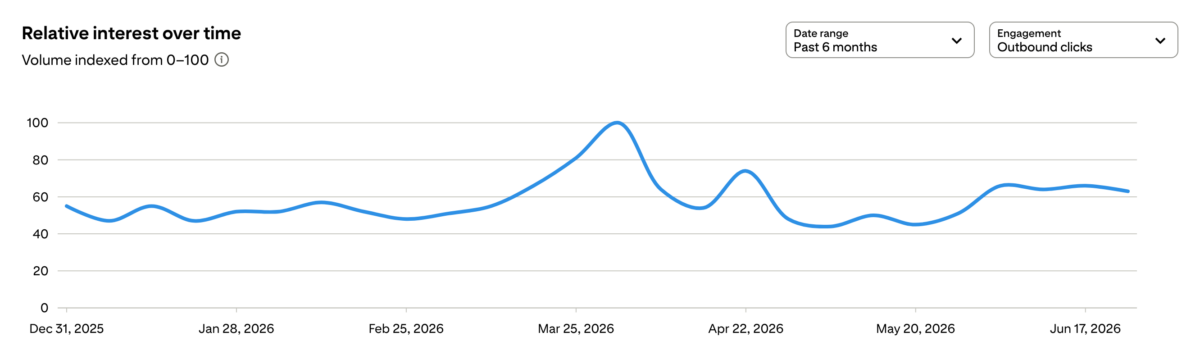
The best moment for this category already came and went a few months ago, and what’s happening now is more of a slow rebound.
The search queries make the audience clear: cooking apron, sewing machine, diy apron, apron pattern, embroidered, egg apron, apron pattern free, couture, sewing tips, embroidered apron, sewing inspo, maid outfit, sewing projects, fashion sewing, diy sewing clothes.
There’s a big DIY and sewing crowd in this data. Sewing machine, apron pattern, diy apron, apron pattern free.
A meaningful portion of these people want to make an apron, not buy one. And that actually opens up a product angle that’s easy to miss if you’re only thinking about selling the finished thing.
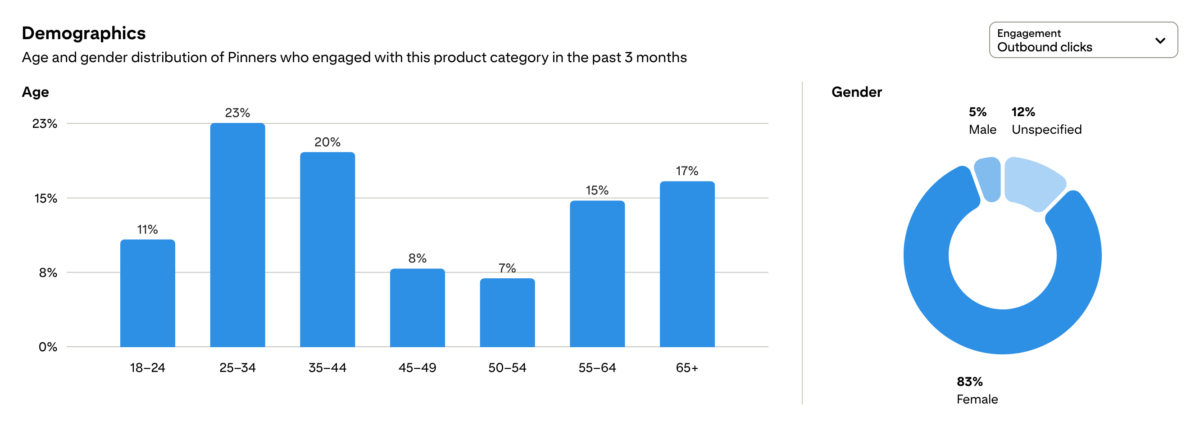
83% female. The age spread here is wider and older than most categories: 25-34 at 23%, but 65+ at 17% and 55-64 at 15%. That makes complete sense for a sewing-heavy audience.
What to sell: Custom embroidered aprons, personalized cooking aprons as gifts, and digital sewing patterns for aprons on Etsy. If you sew, a handmade apron with custom embroidery or a funny printed text in the $25-50 range is a realistic product.
If you don’t, digital apron sewing patterns are low effort to list, and the queries show people actively searching for them, free ones included, so a paid premium version with more detail or size options is a reasonable upsell.
Best platform: Etsy.
The digital pattern angle is probably the lowest-barrier entry point in this whole category. No inventory, nothing to ship.
The Data Updates Every Month, By the Way
At the end of all this, we went through all the trending shopping data that Pinterest is showing right now in July 2026.
But the data changes every month or at any moment, and what’s popular today might look totally different by August.
So I update this post every month with fresh data.
But you still need to look at what people search for in each category. That’s where the real trending products are.
Those are the actual words people are typing when they’re in buying mode.
That’s your Etsy listing title. That’s your pin description. That’s the product name that gets found.
Pick one category from this list, check if the entry point makes sense for where you are right now, and start there.
Not two categories. One.
Most people read something like this and move on. The ones who actually find out if it works are the ones who pick something and give it 30 days.
Happy selling!