
I’ve used almost every tool on this list. Some I still use, some I tried hard, and then just uninstalled.
That’s not a bad thing, by the way.
Testing different note apps is one of those things you just go through when you’re trying to build good habits around organizing your thoughts, your work, your ideas.
And everyone ends up somewhere different, because everyone works differently.
I’m going to tell you exactly where I ended up, and why, tool by tool. Not what the product page says. What I actually noticed.
Sure OneNote still works well for some people. I’m not here to change your mind.
But if it feels a bit heavy or sync is slow, or you just want something that fits your life better, these are the eight alternatives I think are worth checking out.
1. Apple Notes
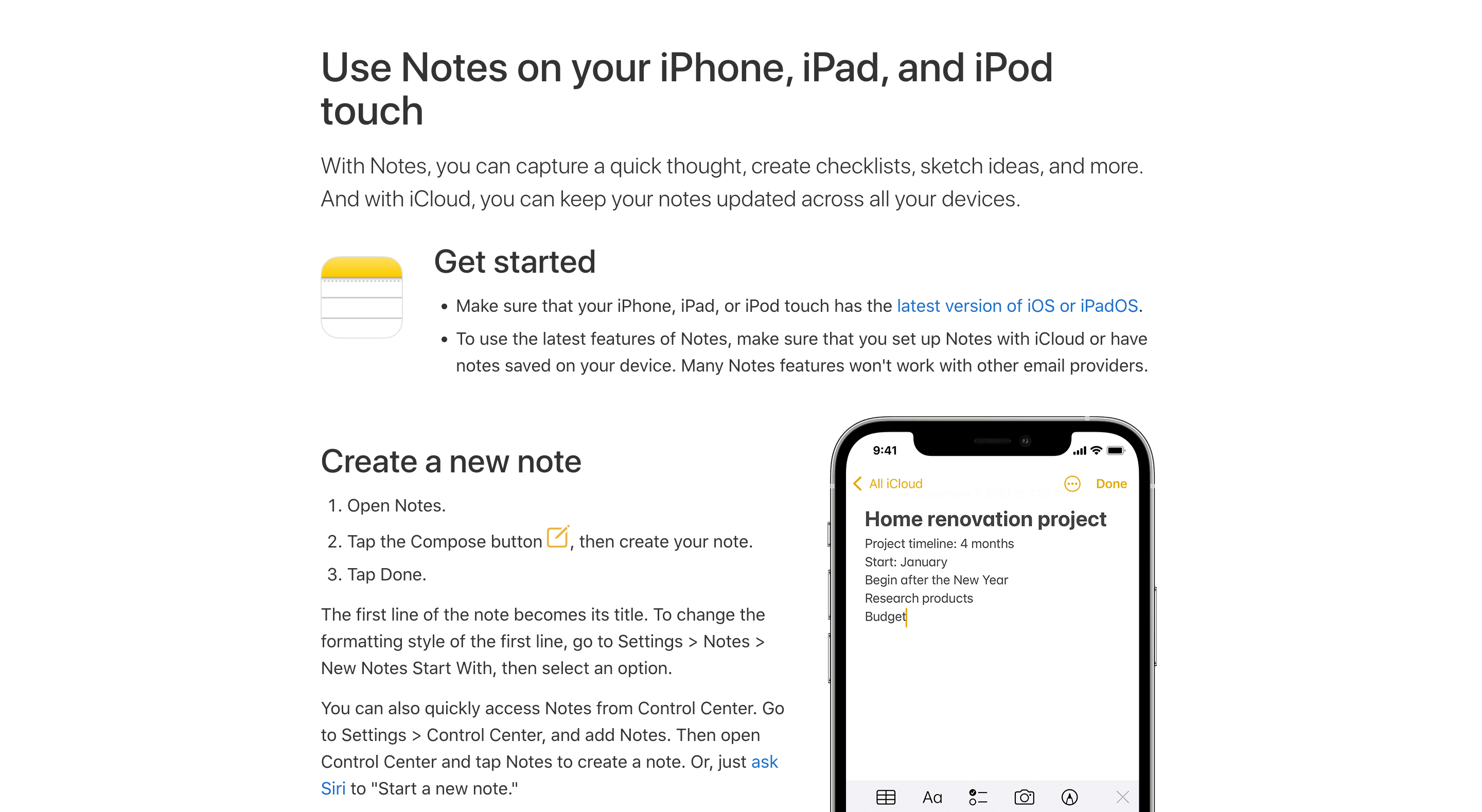
Apple Notes is my most-used note tool right now, and that surprises me a little if I’m being real. I never set out to make Apple Notes my main thing.
It just kind of became that, because it’s already on my phone, it opens in half a second, and the sync across my Apple devices, and it just works same way from my Mac.
I mean when I have a thought I need to capture fast, I don’t even need another app to install or wait for an app to load. Apple Notes is just there.
And yes, it’s not the most powerful tool on this list. You can’t build databases or tag things the way you can in Notion or Bear. But for quick notes, checklists, and ideas I want to come back to later, it handles everything I need.
So if you’re in the Apple ecosystem already, this one is hard to beat for day-to-day stuff. No subscription, no setup, nothing to learn at all. Just open it and write.
Pricing: Free.
2. Notion
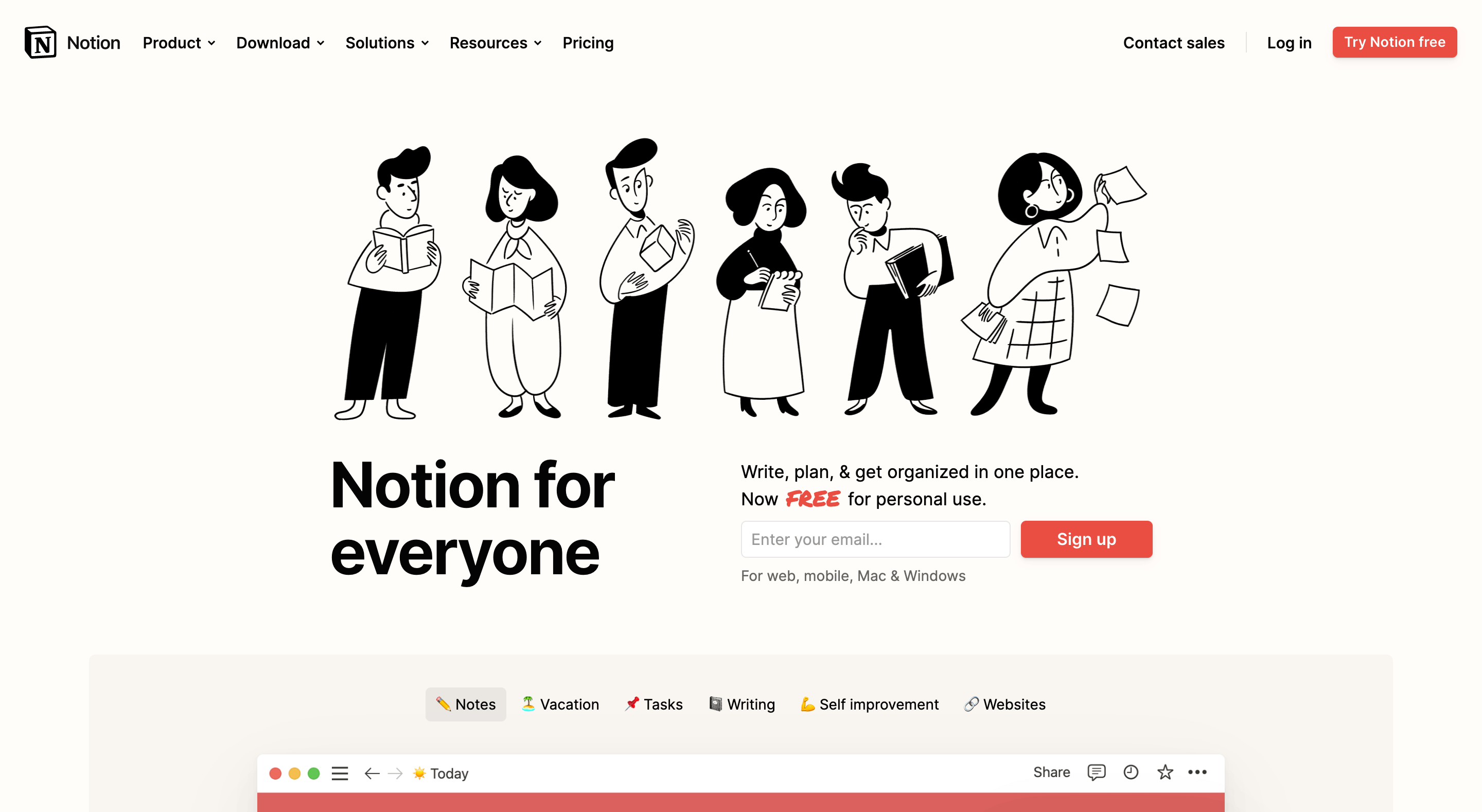
Notion is simply what I use to run TalkBitz, yes the website you’re now in. Content calendar, post drafts, research notes, idea lists, task tracking, all of it lives in Notion.
I’ve been using it long enough now that I genuinely can’t imagine going back to an another app for that kind of work.
The thing that hooked me is the flexibility. You can build a plain document, or you can build a database with filters and properties and linked views. Or both.
You’re the one who chooses how complex you want it to be, and the free plan is generous enough that most people never need to pay for anything.
The interface needs a little time to get used to. First week I kept making the wrong block types by accident and got confused why everything looked off. But once it it clicks, it clicks.
And the reason I switched from Google Docs (yes that’s what I used before) to Notion back in the day was exactly that. The moment it clicked, the other tool felt like I could put everything inside here.
This is for anyone organizing more than just plain text. Students, writers, small teams, solo founders building a real system rather than just taking notes. And yes a little learning curve is there.
Pricing: Free for personal use. Team plans from around $10/user/month, and you can also use Notion mail and Calendar too.
3. Obsidian

Obsidian is something simple but learning it is not. I really gave it a fair effort many times. It’s fast. Like, crazy fast because it keeps your files local. You open it and things just there right away.
That sounds like a small thing until you’ve been on apps that lag a bit and you realize how much that friction adds up. But it still wasn’t the right tool for me.
The way Obsidian is built, where every note is just a plain Markdown file on your device, you’re meant to link ideas together, build a kind of web of connected notes, and with plugins and themes you can shape Obsidian to match how you work.
And that’s powerful, but it’s a different kind of workflow than what I was coming from in Notion. I kept trying to make Obsidian do what Notion does, which isn’t really what it’s built for.
If you’re someone who reads a lot, researches deeply, and wants to connect ideas across different topics, Obsidian is probably the most interesting tool on this list.
Learning this thing is tough, but the payoff is there if it aligns with your workflow. For someone just trying to replace OneNote for everyday notes it could be more than you really need.
Pricing: Free for personal and commercial use. There’s a paid sync option around 5 dollars each month if you need your notes on all your devices.
4. Bear
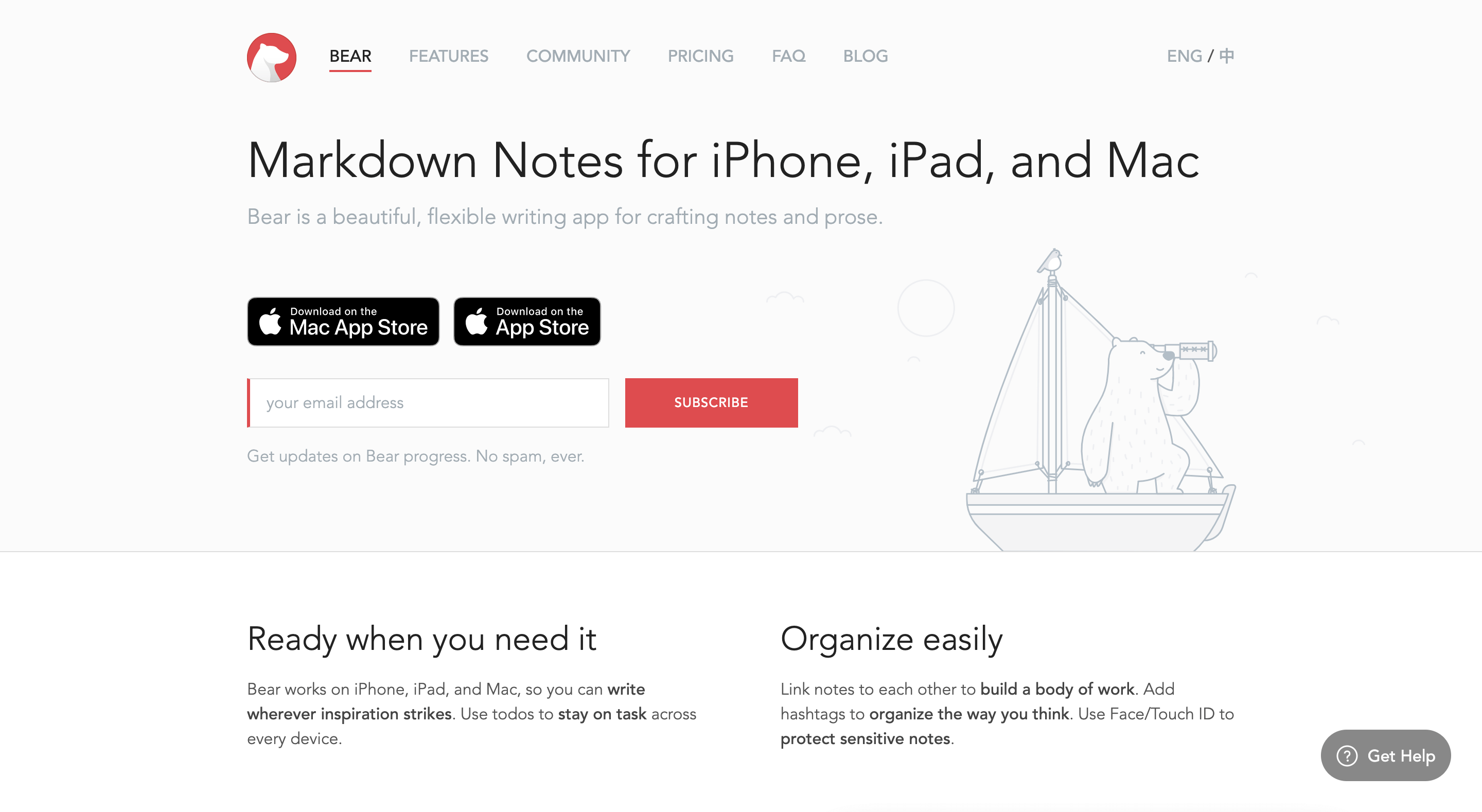
Bear is one I actually like using because of the simplicity it has. There’s something about the writing experience in Bear that’s just cleaner than most apps.
The interface is nice, Markdown works naturally, and the hashtag system for organizing notes is clever and quick once you get used to it.
The issue for me personally is the sync. It’s a paid feature, Bear Pro, and I already have Apple Notes syncing my day-to-day stuff across devices without paying anything.
So as much as I enjoyed using Bear, I never made it my main tool because the case for paying for sync wasn’t there when Apple Notes was doing it for free.
That said, if you’re someone who does a lot of focused writing, not just quick notes but actual long-form writing, and you’re on Apple devices, Bear Pro is not expensive and the experience is genuinely good.
The writing environment, and how things are organized it just keeps you focused without any distractions. And that’s something a lot of other note taking apps can’t really give you.
Pricing: Free with limited features. Bear Pro is around $2.99/month or $29.99/year.
5. Evernote

Evernote is what I used when I was on Android, mostly for personal day to day notes. This was before even Google Docs became the thing I was using for work stuff.
It’s a solid app. The web clipper is one of the best I’ve seen, if you’re someone who saves a lot of stuff from the internet to read later, that feature alone might be worth it.
The search is fast and it handles big volumes of notes well. I never had trouble finding something once I’d saved it.
The reason I stopped using it is that I eventually ended up in the Apple ecosystem and already had Apple Notes, and using Evernote on top of that didn’t make sense for how I was using it.
But I want to be clear that it wasn’t a quality issue. It works well. But if you look at it today another reason I wouldn’t pick it is the free plan has more limits than before.
If you need to use it across multiple devices and want features like offline access, you’re looking at a paid plan.
Pricing: Free with limitations, you can only create up to 50 notes. Paid plans start at around $20/month if you want unlimited notes.
6. Google Keep
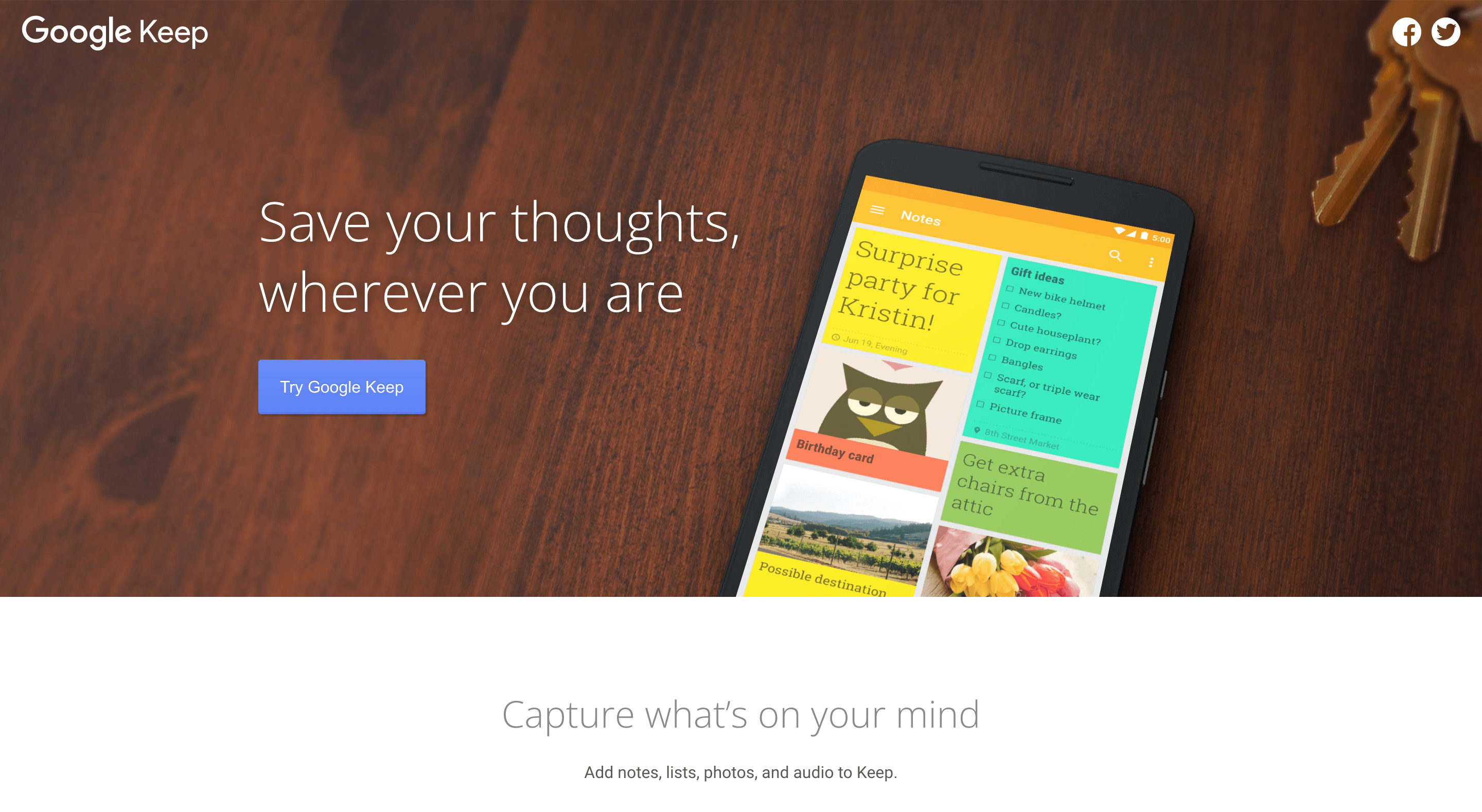
Google Keep is another one I had on my Android phones back then around the 2020s. It’s a stock Android device, simple UI, clean system, and Keep was just built into the experience.
What I liked about it is how quick it is to drop something in. A thought, checklist, a link, a reminder and the sharing worked well enough for basic things.
If you want to use it for some grocery lists and simple notes and share with another person who has an Android phone and they don’t need to install anything because there is a 90% chance Google Keep is already there.
It’s not a deep note taking tool and you can’t expect to build any kind of system in Google Keep. But for capturing ideas and syncing across Android, the web, and even iOS it does exactly what it promises.
If you are already using Google tools every day then this one is going to feel really easy for you to use because it is even inside Gmail and Drive.
Pricing: Free.
7. Simplenote
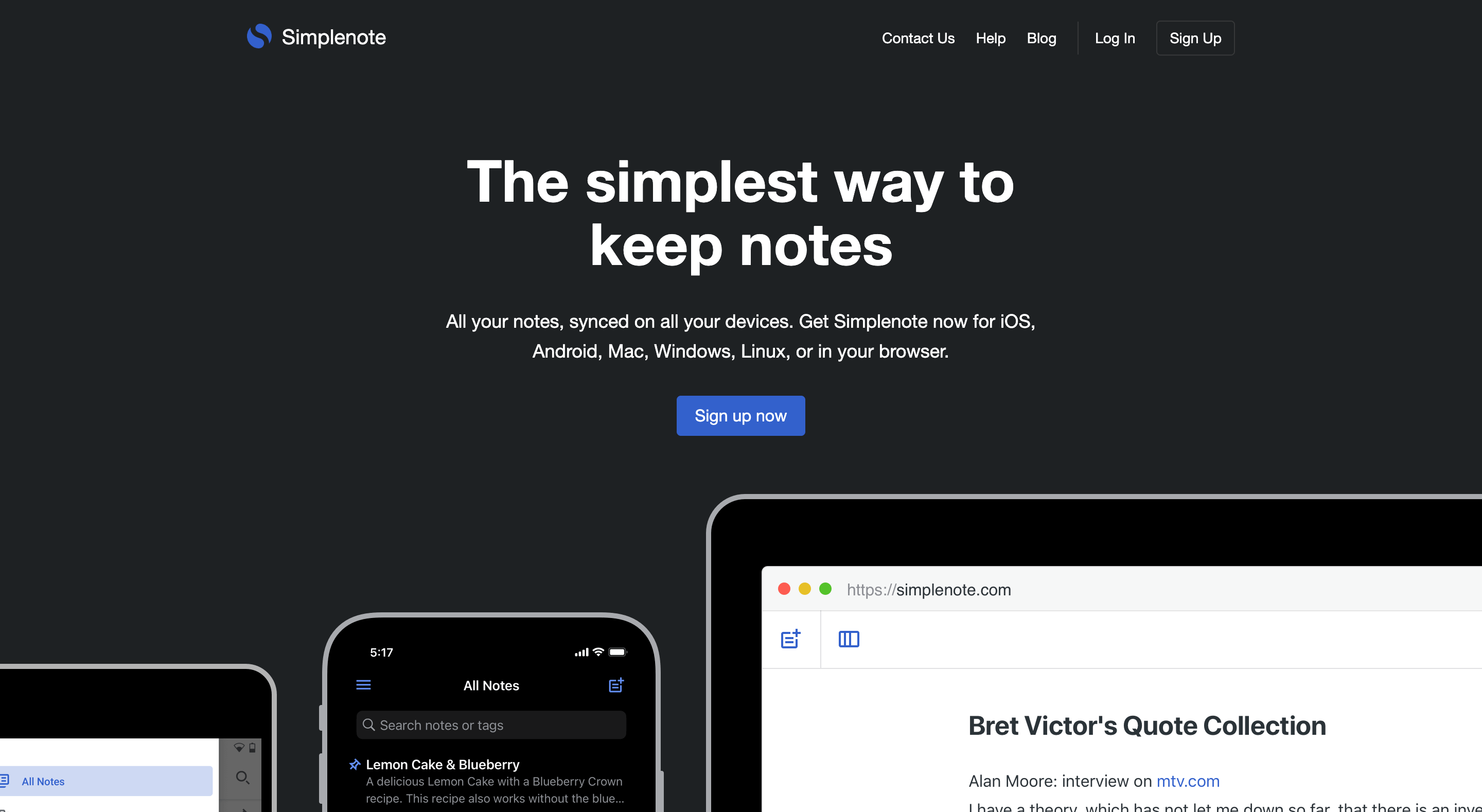
Simplenote is a note taking app I came across through the WordPress community, and it’s a good alternative to One Note if you’re looking for something simple that works on any device.
And that’s exactly what it is. Plain text, Markdown support if you want it, version history, and it works on anything with a browser. You write, it syncs.
I used it for a few months and then made the switch to Notion when I needed more structure for TalkBitz work. But Simplenote served its purpose well during that time.
If you’re the kind of person who just wants a clean place to write without many features and customization, Simplenote is a perfectly good answer.
Pricing: Completely free and open-source, owned by Automattic, the parent company behind WordPress.
8. Joplin
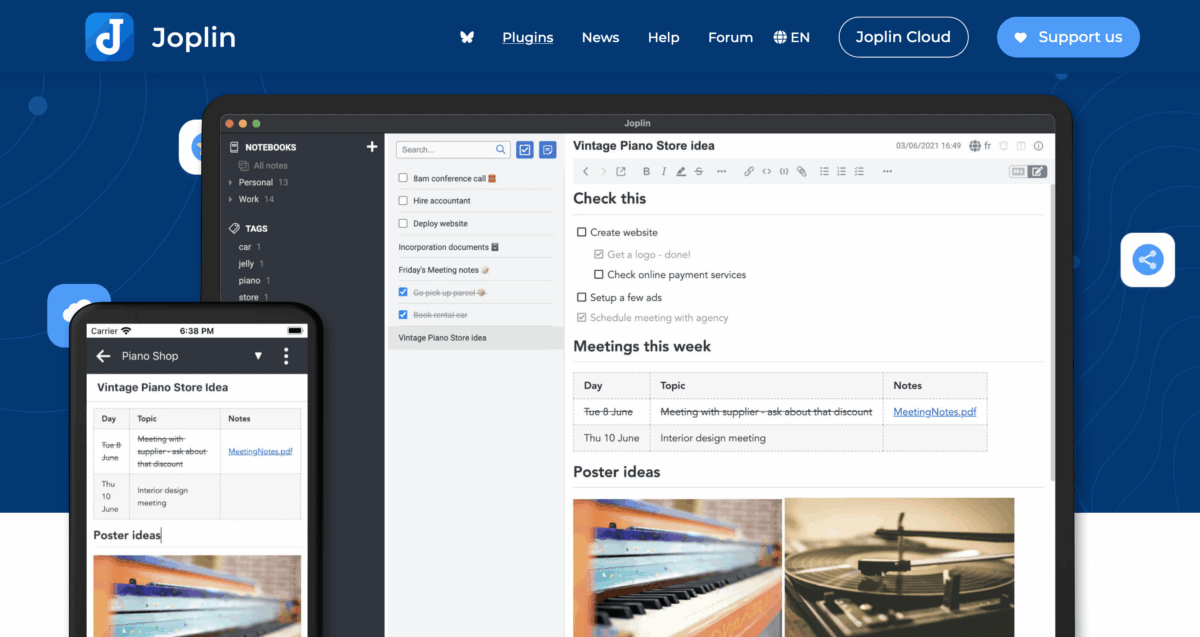
Joplin is the closest thing I’ve seen if you’ve been looking for something free that actually works like OneNote in terms of structure.
It uses notebooks and notes, the same way OneNote uses notebooks and pages. You can organize everything into folders, tag notes, search across everything, and it works on almost every device we use.
Your notes are yours. And if you care about privacy, it has end to end encryption built in, which is the best thing here. You can also sync via Dropbox, OneDrive, or a few other options, nothing complicated.
The interface isn’t the prettiest, I mean it’s functional rather than nice to look at, and if you’ve tried something like Bear or Notion you’ll notice that immediately.
But for someone who wants a free, reliable, cross-platform notes app, Joplin is a genuinely solid pick.
Pricing: Free and open source.
So Which One Should You Actually Use?
Here’s how I’d think about it without overcomplicating it
If you’re on Apple devices and don’t want to pay for anything, just use Apple Notes. It’s already on your iPhone, Mac and iPad and it works.
If you want to do more than just take notes, like manage projects, build content systems, or organize your work in one place, go with Notion.
The free plan is more than enough.
If you care about privacy and owning your files, and you don’t mind a little learning curve, try Obsidian. Your notes live on your device, not someone else’s server.
If you’re on Android or in the Google ecosystem and just need something simple and fast, Google Keep.
And if you’re a writer who wants a clean, distraction-free experience on Mac or iPhone and you’re okay with paying for sync, Bear is worth the money.
The rest, Evernote, Simplenote, and Joplin, are all fine tools for specific situations. If any of those situations match yours, they’ll serve you well.
And, sometimes a pen and a notebook still works better than any app on this list.
No sync issues, no learning curve, no subscription.
Just saying.