
Jotform has been around since 2006 and That one thing alone tells you something.
Tools that survive that long either do one thing really well, or they keep adding enough things that people always find a reason to stay.
I began using it because I needed a contact form for a small local product I was trying out. I needed something that could handle form entries cleanly, and free, while I was still learning how things worked.
So I got on the free plan. Built a few forms.
And somewhere in all of that, I got a pretty good feel on what this thing actually is and where it starts getting awkward.
Here’s what I found.
Disclosure: This post has affiliate links. I earn a commission if you buy, at no extra cost to you.
What is Jotform?
Jotform is an online form builder. That’s the short answer. But if you call it “just a form builder” in 2026, I would say you’re not seeing its full worth anymore.
Sure, the platform started as a drag-and-drop tool for creating contact forms, surveys, and registration pages without touching code. It still does that.
But over the years they’ve built out a full set of tools around the forms, or we can say more than forms, like data tables, approval workflows, PDF generation, an app builder, and more recently AI-powered features I haven’t even fully tested yet.
It’s popular with small businesses, freelancers, and agencies and more around who need to collect information from clients or customers without setting up a whole backend to do it.
And yes, this is also one of the best free alternatives to Google Forms, which is exactly how a lot of users first find it too.
Key Features of Jotform
Let’s look closer at some key features of Jotform so you can decide if this is right for what you’re after.
Form Templates
Jotform has over 10,000 templates. Feels like that number sounds made up, but I’ve been in the library and it’s genuinely deep.
Contact forms, order forms, event registrations, onboarding checklists, medical intake forms. There is a good library.
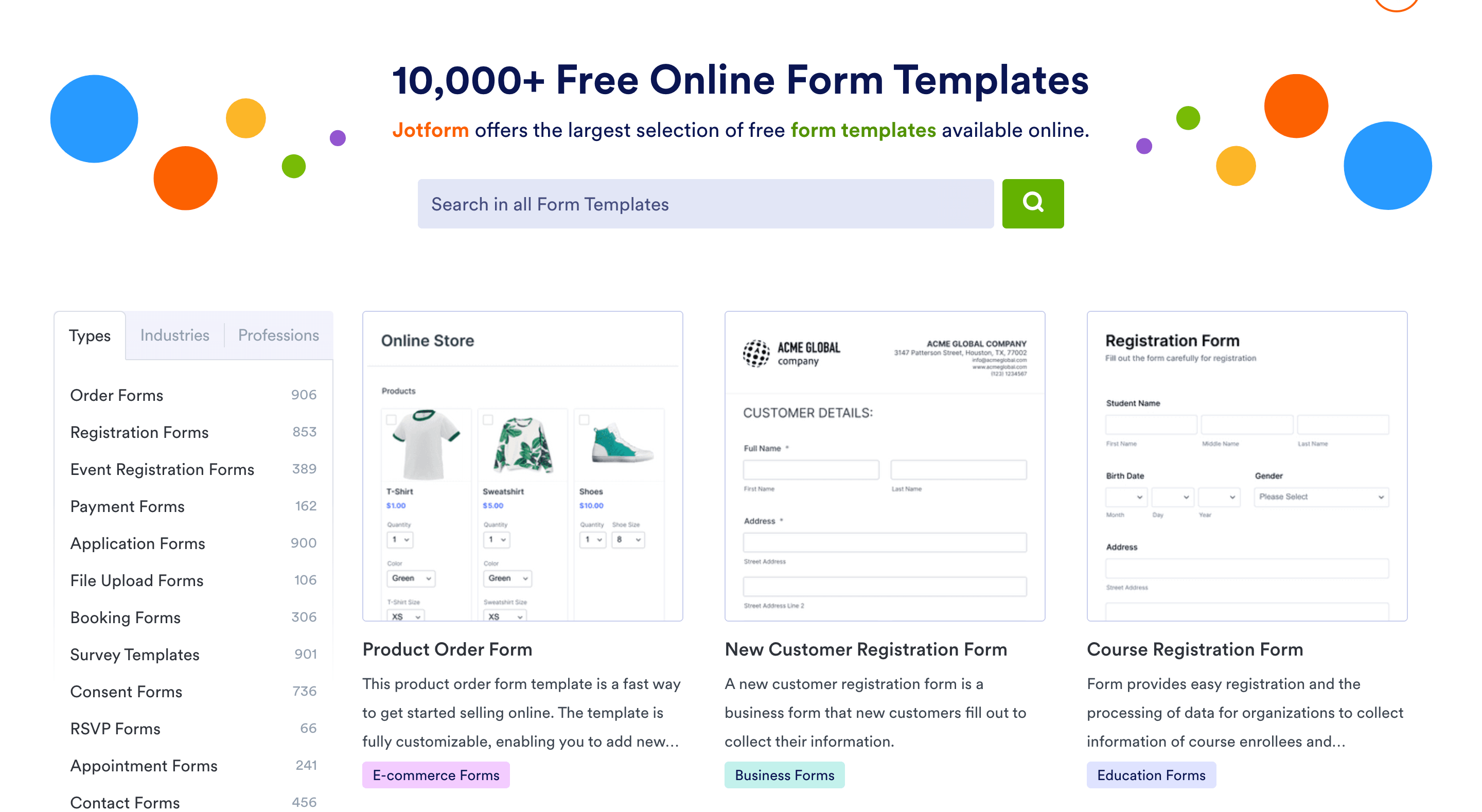
What I liked is that the templates aren’t just cosmetic shells. They come with the fields already set up logically.
For example, if you pick a client intake template, the questions are actually in a very good order. You adjust a few things, change the branding, and you’re done.
Even for selling a product, a T-shirt, a cookie, or even a simple tote bag, it’s not that complex to make a form in 10 minutes starting from a template.
If you want to start making your from scratch, the field library covers text boxes, checkboxes, radio buttons, date pickers, dropdowns, conditional logics, file uploads, and a lot more.
You don’t need code for any of it, and the conditional logic is the most practical piece here because it’s stronger than the “Go to section based on answer” feature inside Google Forms. And it costs nothing inside Jotform.
Jotform Tables
This is simply a spreadsheet view of your form submissions. Which sounds simple, but it’s more useful than it sounds.
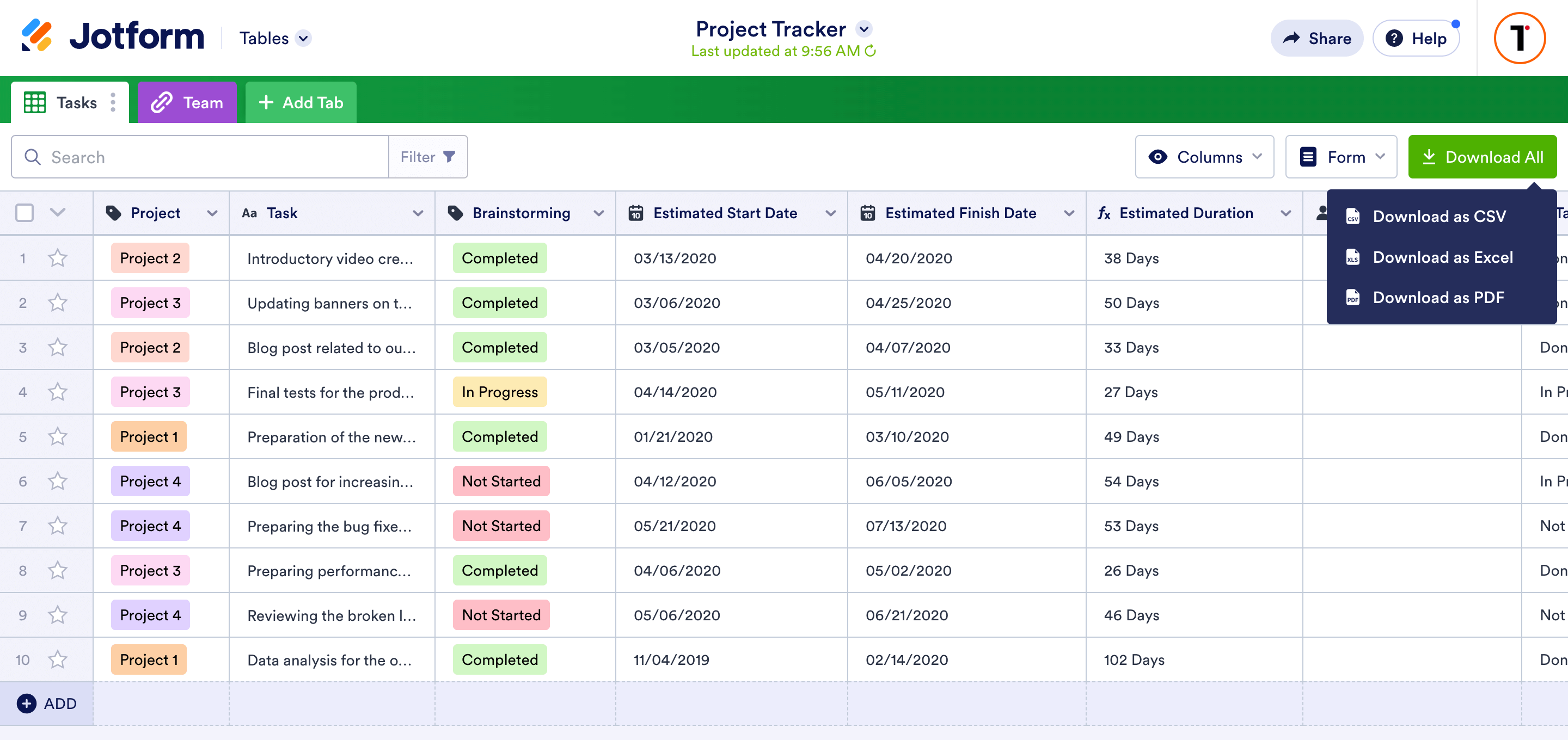
Every time someone fills out a form, that response lands in a Table automatically. You can filter by date, search for specific entries, add columns, and export everything as a CSV or Excel file when you need to hand it off somewhere.
Most form builders have this kind of feature, but this makes things kind of easy to get just by looking at it. It doesn’t feel like a spreadsheet.
And you don’t need to download CSVs every time and open them in MS Excel. This just works fine.
Report Builder
Jotform can take your form responses and turn them into a visual report automatically. Charts, graphs, summaries, the kind of thing you would normally spend time building in a spreadsheet.
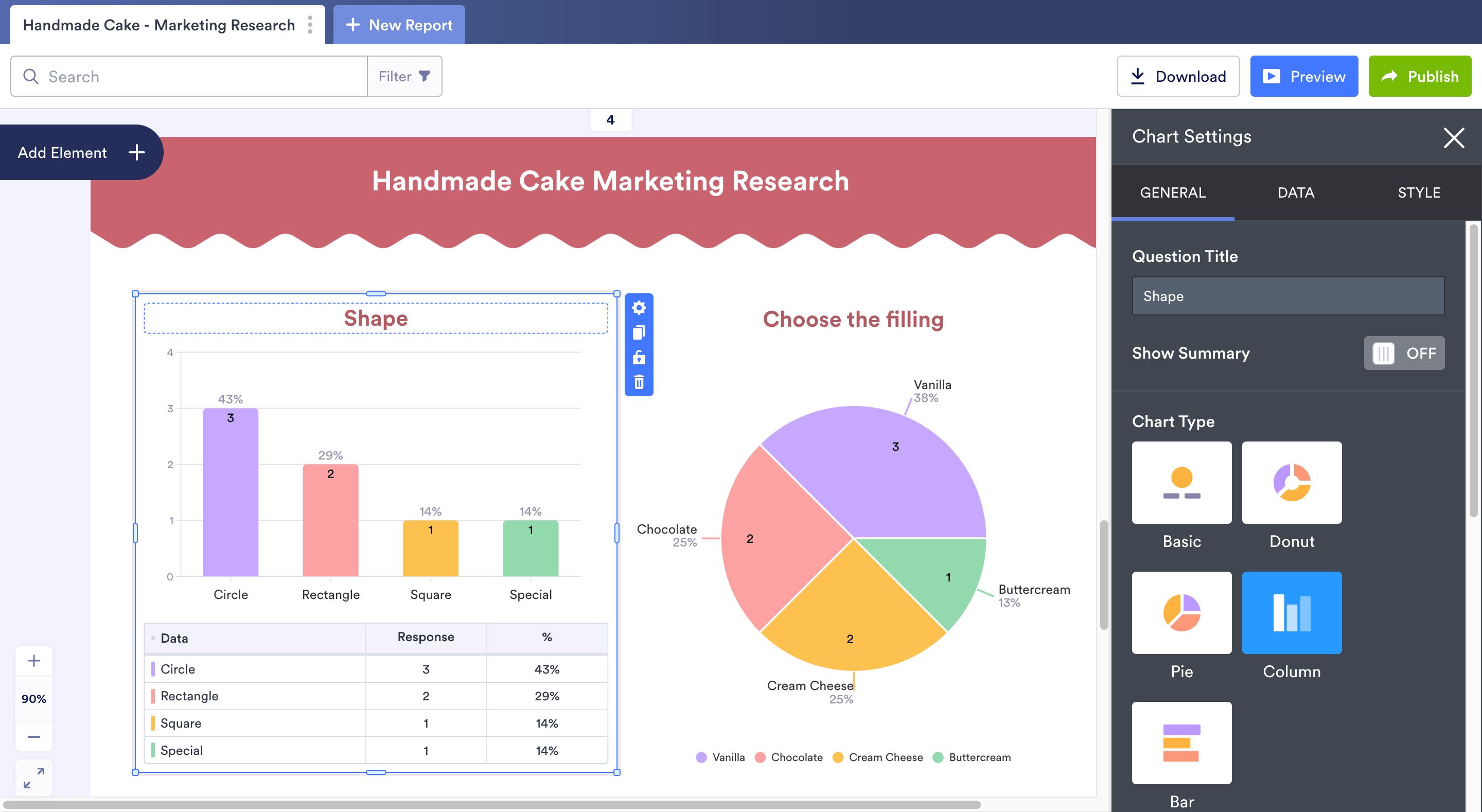
You can even share the report via a link, embed it on a website, or export it as a PDF.
And if you run something like a customer satisfaction survey and want to show results to a client without sending them a raw spreadsheet, this is a good option.
I haven’t tried this that much, but for someone who regularly needs to present collected data without building reports manually, mostly for a small businesses, it looks like a real time saver.
Jotform Inbox
Think of this as an email inbox, but instead of emails, it’s your form submissions.
You can sort, filter, reply to, and forward submissions.
You can tag entries, collaborate with teammates, and search for specific responses without scrolling through everything.
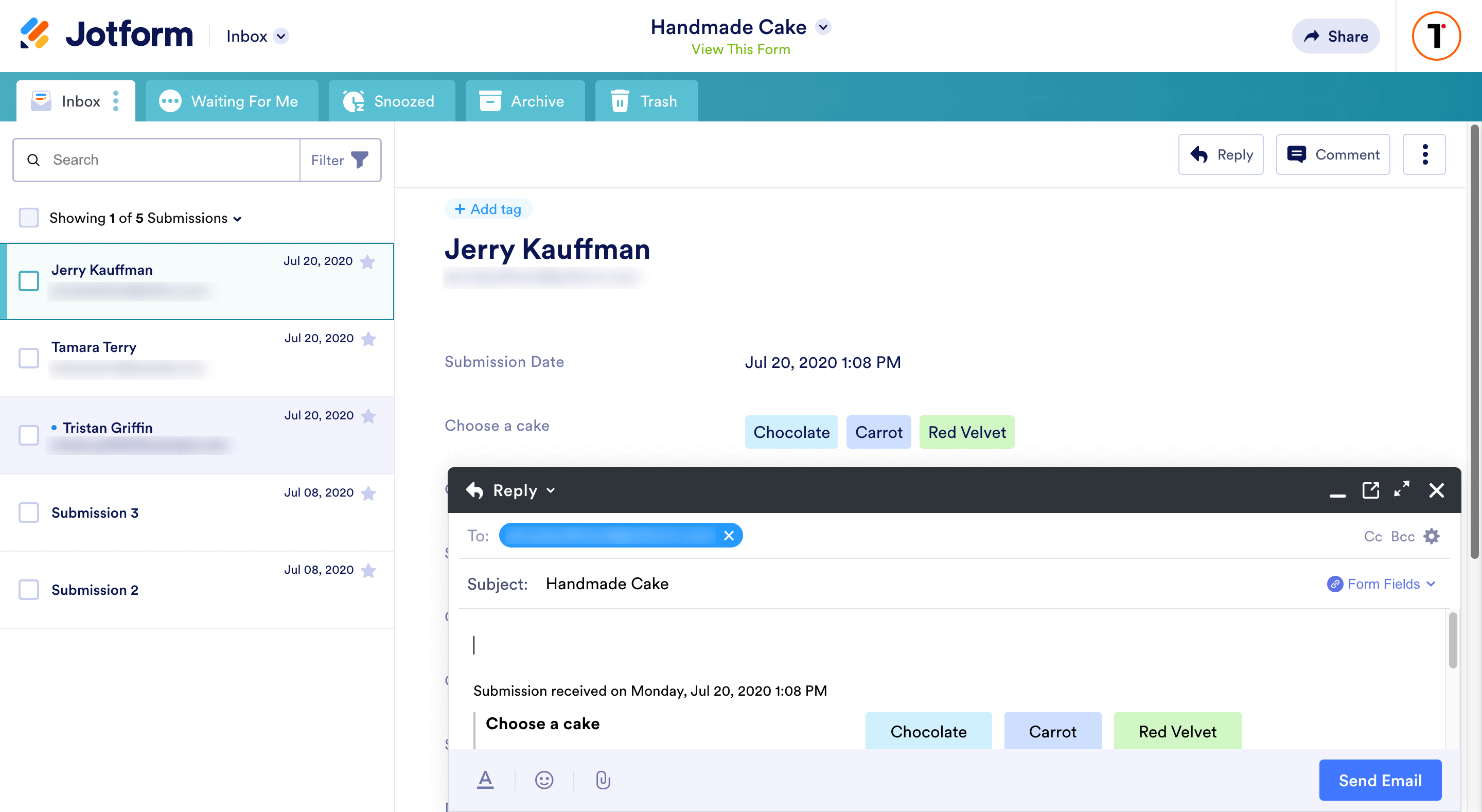
The part I didn’t expect here is you can reply directly to a submission from Inbox. If someone fills out a contact form, and you want to follow up, you don’t need to go dig up their email separately. It’s right there.
That’s a small thing for sure but for a small business or a freelancer it clearly takes away a step that you used to have to do by hand before all this.
Jotform Approvals
This is more than what a typical form builder even has to offer. Approvals is a drag-and-drop workflow builder.
Someone fills a form and instead of the data just landing in a table somewhere it triggers a workflow. And when the workflow triggers, it notify this person, wait for them to say yes, then trigger what comes after that.
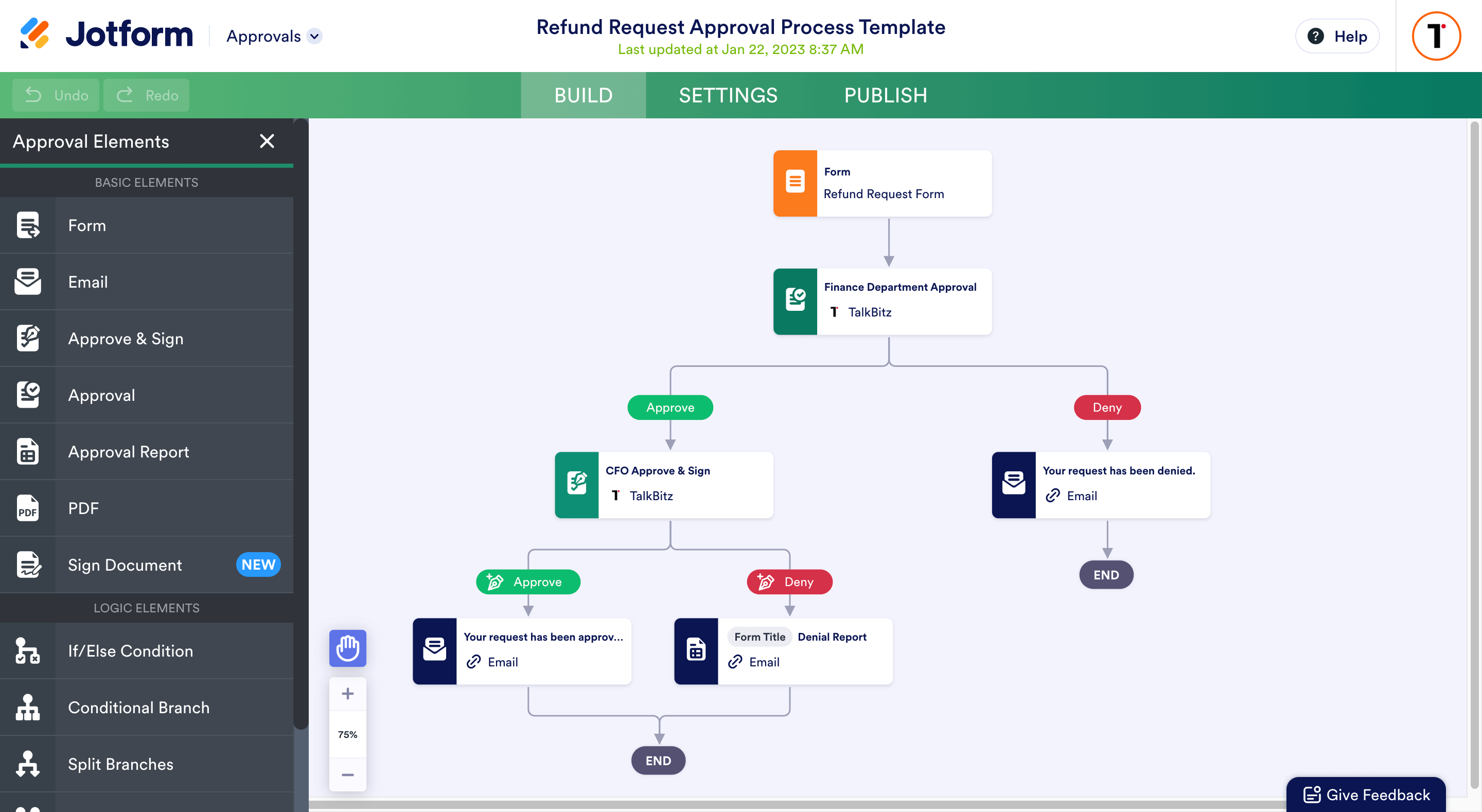
This is something that would usually cost you money if you tried to set it up using something else like Zapier or n8n on your own.
I tested it for a simple client onboarding flow. A new client fills out a short form, I get notified, I click approve, and they get a confirmation email automatically.
Setting that up took maybe 10 minutes.
For something like leave requests, purchase approvals, or content review flows at a small company, this is definitely useful without needing to pay for a whole separate automation tool.
Jotform PDF Editor
When someone fills out your form, Jotform can take their answers and drop them into a PDF automatically. You don’t have to make that PDF by hand every time.
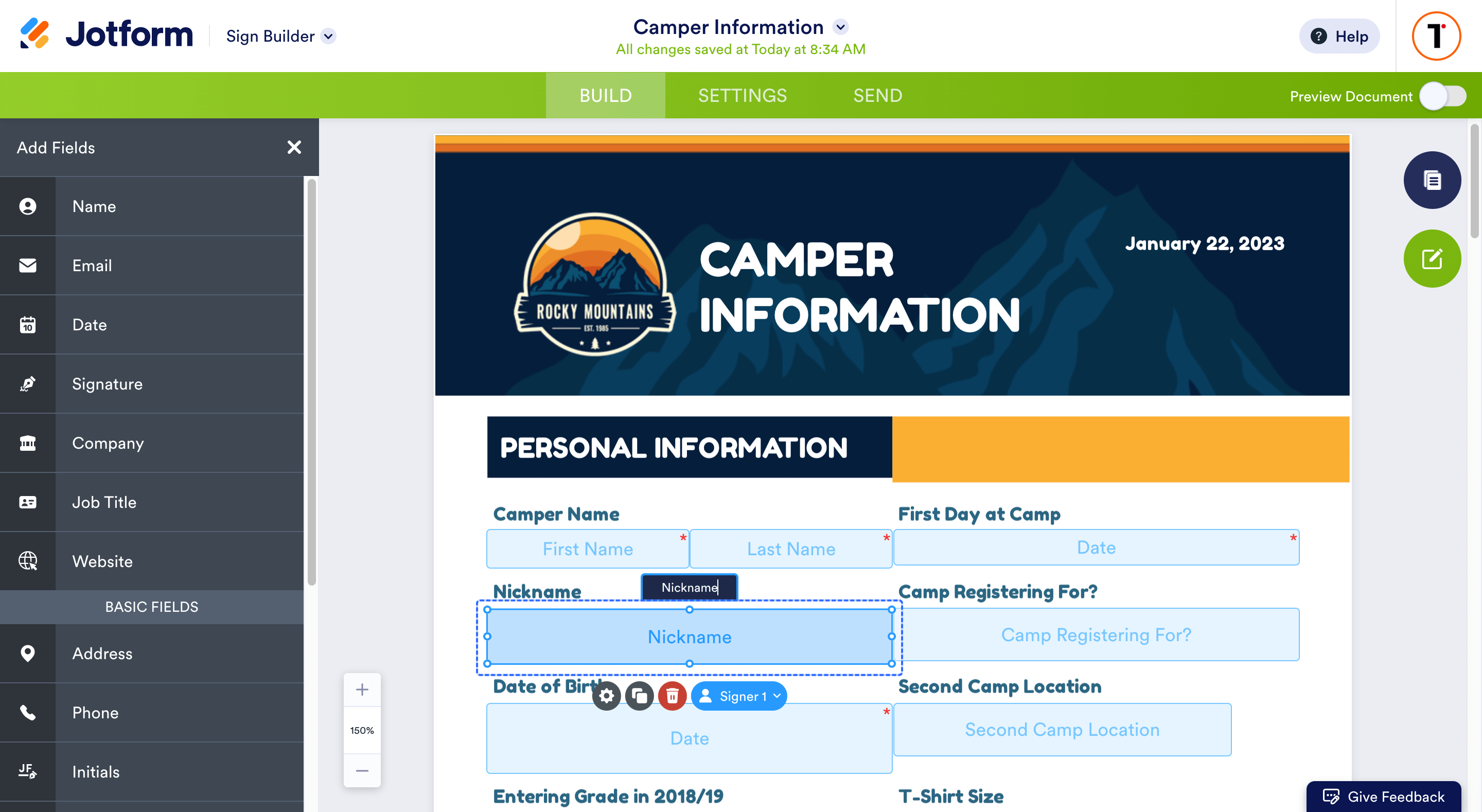
You can design the PDF layout, add your logo, set up headers and footers, and have it look like an actual document instead of a data dump.
This is pretty useful for things like contracts, booking confirmations, or job applications where the person submitting might need a copy of what they sent.
The e-sign feature is built in too, so you can have someone sign directly before the PDF is generated.
Form Integrations
Jotform connects to a lot of third-party tools. Salesforce, Mailchimp, Google Sheets, Slack, Stripe, PayPal, Dropbox, and well over 100 others.
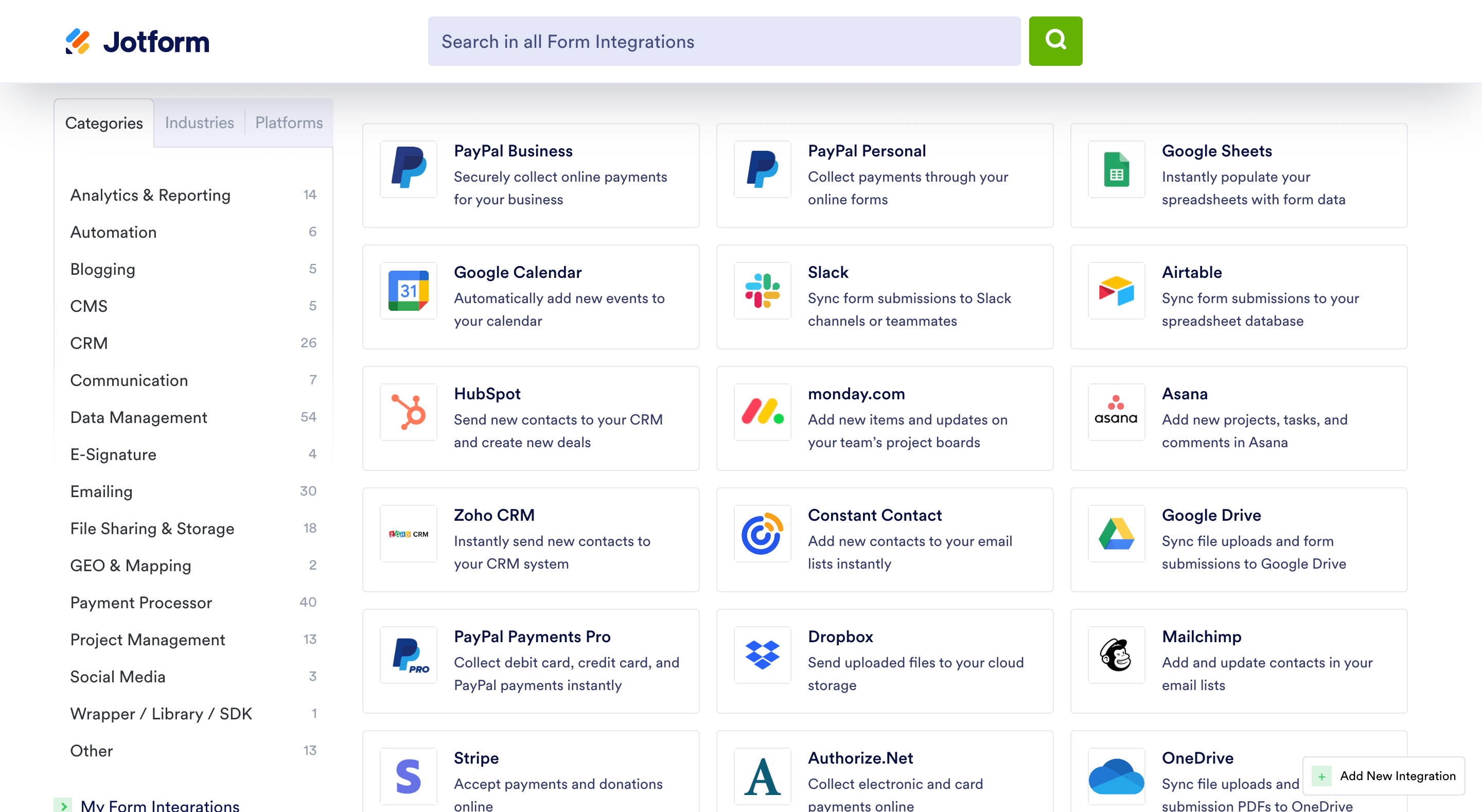
In practice, this means form data can flow automatically into whatever tool you’re already using.
Someone fills out a lead form, and they get added to your email list immediately. A payment form connects to Stripe, and the transaction processes without you manually doing anything.
When you first start using Jotform you don’t really need all this extra stuff from day one, but it’s nice to know that these features are already there for when your needs get bigger and you grow into them later on.
Jotform App Builder
This one sounds more impressive than what it really does and I say that not to hurt feelings but just so you know exactly what you are getting from it.
Jotform’s App Builder lets you create a mobile app without code. You add forms, widgets, products, images, and your branding into a template, and publish it as an app people can access on their phone.
Here’s how the Jotform team explains it:
Thing is, these are web-based apps, not native apps you’d find on the App Store or Google Play. Which is fine for a lot of use cases. But if you’re pitching it to a client as “we built you an app,” just be honest about what kind of app it is.
For collecting payments from customers through a branded interface, or giving staff a simple internal tool to fill out forms on mobile, it works well enough.
Jotform Review: Pricing
Pricing is where things get a little interesting, and I mean that in the “you should read this carefully” kind of way.
The free plan is actually good enough. You get 5 forms and 100 monthly submissions, which is enough to test whether Jotform fits your workflow before spending anything.
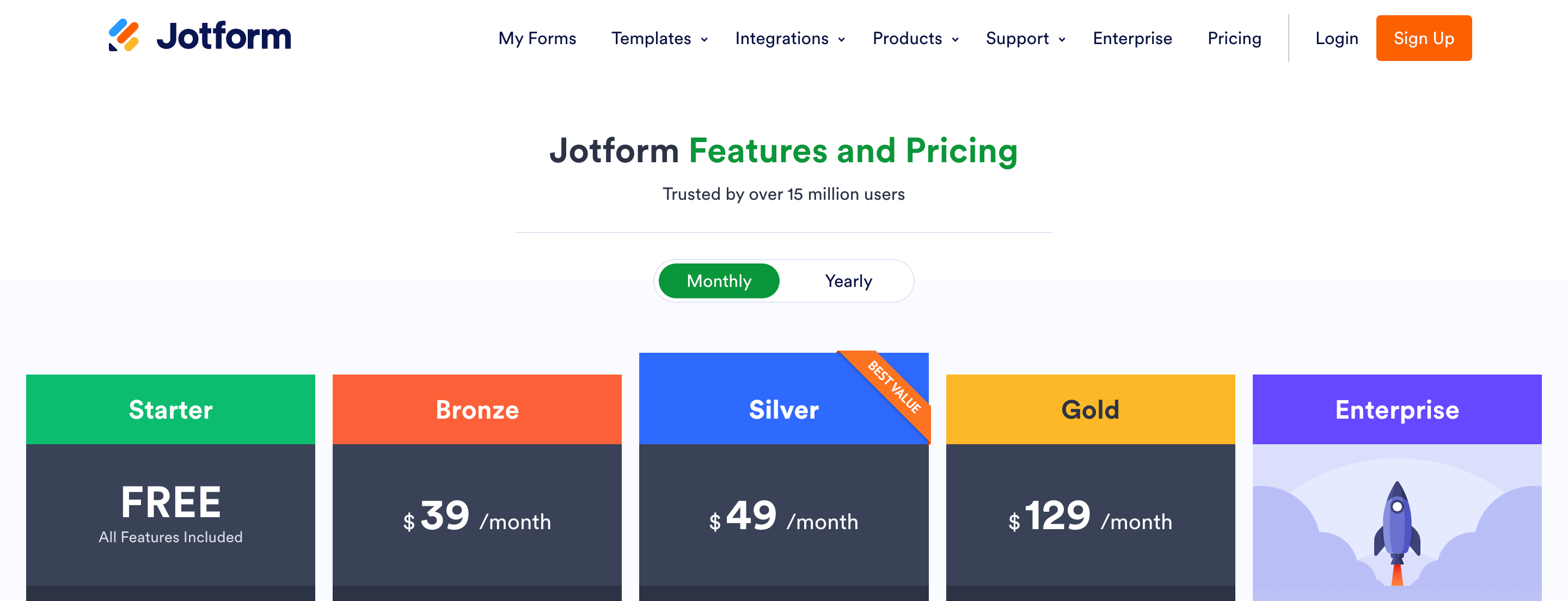
The paid plans go up from there. Look at Jotform’s own pricing page to see the real numbers right now since they update those prices way more often than what a review like this able to track.
When I last looked, there were multiple tiers between free and enterprise, with discounts if you pay yearly.
Also there are some things I think I should point out that you would want to know before you go and upgrade to a paid plan.
The “form views” limit is different from the submission limit. Your form can be viewed many more times than submissions happen (people might open it and leave), but the view limit counts those too.
It is written right there in the pricing table but it is also pretty easy to miss.
Also, most of the features I described above are available across tiers, which is actually a good thing.
Jotform doesn’t gate the approval workflows or PDF editor behind enterprise. The limits are mostly about volume: how many forms, how many submissions, how much storage.
If you are not really sure which paid plan is the right fit for what you need then just start with the free plan first. You will figure it out within a week if you are already hitting into those limits or not.
What I Like and What I Don’t
The good stuff first.
The builder is fast. Like, super fast. Drag a field in, adjust the label, preview it, done. No waiting for things to load, no mysterious errors when you try to save.
That sounds like nothing but I’ve used tools that fail this and it’s frustrating.
The free plan gives you actual access to good features, not a teaser. You can build approval workflows, use the Inbox, get submissions in a Table, all on free.
Most tools make you pay for those features and only give them to people on higher tiers.
Approvals in particular is something I didn’t expect to like as much as I did. For a small team managing any kind of request process, it removes a lot of back-and-forth email.
Now this is the part that kind of blindsides people because nobody really warns you about it.
The price levels can feel a little confusing when you are just trying to work out what you really need.
That whole form view limit versus submission limit thing it is kind of hard to even think about until you actually see how many people are filling out your forms.
And if you’re comparing plans side by side, spend a few extra minutes reading what each row in the table actually means before committing because there are many numbers you need to know.
The App Builder helps for sure but you need to know that what you get is a web based app not a real phone app and that matters a lot if you are pitching it to another person.
And if you do not have much money to spend and you already know you will need more than 100 submissions each month from the very beginning then count the cost of a paid plan before you build your whole workflow around the free plan.
Who Should Probably Skip Jotform
If you just need one basic contact form or a small little survey then a tool like Google Forms is more simple and less bulky for what you are trying to do.
Jotform’s value shows when you’re collecting data regularly, running workflows, or need payment collection built in without setting up a separate tool.
The main kinds of users who needs this is mostly small business owners, freelancers, schools and teachers, field workers, and healthcare people who need to stick to HIPAA rules.
Also if you need a real native mobile app with App Store distribution, this isn’t the right tool for that part.
The App Builder is for web-based experiences, not app store listings.
Is Jotform Worth It?
For most people reading this, yes. Especially if you’re at the beginning of building something and need a form tool that can grow with you.
The free plan gives you enough to start and test.
The features cover more ground than you’d expect. And the learning curve is low enough that you’re not spending hours figuring out the interface before you get your first form live.
If you’re a freelancer collecting client info, a small business running event registrations or payment forms, or just someone who needs to gather data without building anything technical, Jotform is a solid choice.
Start with the free plan. Build one form.
Within that first session you will know pretty clearly if this is something that sticks with you or not.
Frequently Asked Questions
- Is Jotform really free to use?
- Yes. Jotform’s free plan gives you 5 forms and 100 monthly submissions with no time limit. Most core features including Approvals, Tables, and Inbox are accessible on the free tier. Paid plans add higher submission limits and storage.
- What are the biggest downsides of Jotform?
- The main complaints are the form view limits (separate from submission limits, which confuses people), the cost of paid plans if you need high volume, and the App Builder only creates web-based apps, not native App Store apps.
- Is Jotform better than Google Forms?
- For basic surveys and simple data collection, Google Forms is free and simpler. Jotform pulls ahead when you need payment collection, approval workflows, PDF generation, or more design control. Different tools for different needs.
- How do I access the Jotform Inbox?
- Log into your Jotform account and click “Inbox” from the left sidebar in your dashboard. All form submissions appear there, organized by form, with options to filter, reply, and tag entries.
- Can Jotform accept payments?
- Yes. Jotform integrates with Stripe, PayPal, Square, and other payment processors directly inside the form builder. You can collect one-time payments or set up simple order forms without needing a separate checkout tool.