
You open a video editor, stare at the screen, try to figure things out, and close the tab after 10 minutes. That’s happened to me more than once.
The problem is usually not your skills.
It’s that most video tools are built for people who already know what they’re doing, and if making a video ain’t your thing yet, you spend more time figuring out the interface than you spend actually making anything.
I’ve tested enough of these tools to narrow things down to the good ones. Three that are actually worth opening as a beginner, each good for a slightly different thing.
Here’s my take on each one.
Disclosure: This post has affiliate links. I earn a commission if you buy, at no extra cost to you.
1. VEED.IO
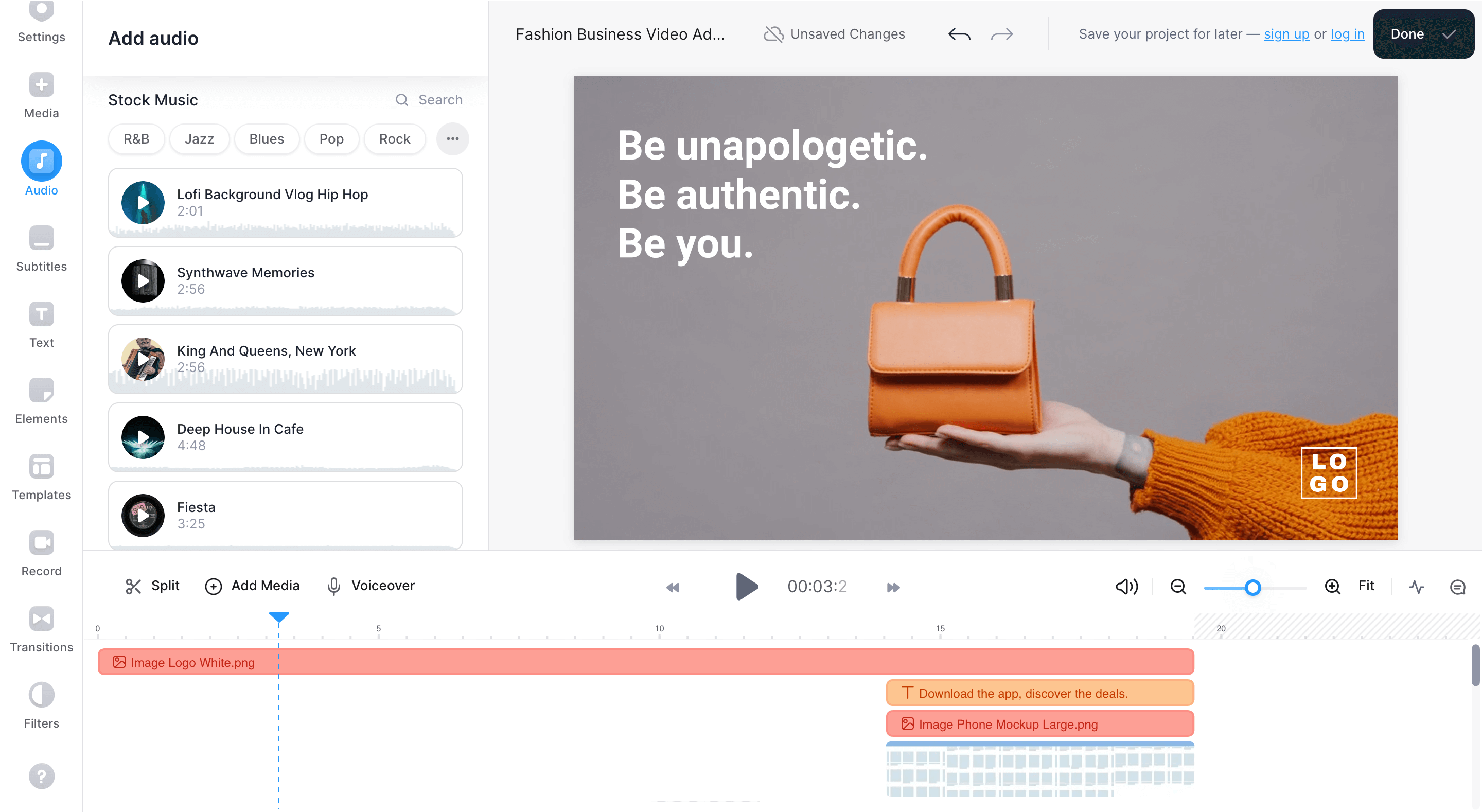
If you want the one tool that you can just open in your web browser, yes without installing anything, and immediately figure out, VEED is probably it.
Used it to add subtitles to a screen recording. The automatic transcription got most of it right without me having to fix much. So compared to doing something like that manually, it saved a solid amount of time.
That single feature by itself is worth trying it out for.
It also has filters, text overlays, a stock library, AI text-to-speech, and background removal. That’s a lot for a browser-based tool.
The free plan lets you make videos up to 10 minutes long, which is fine for most use cases. If you need longer exports or want to remove the watermark, the basic paid plan starts at $10/month (billed annually, but check their current pricing page to confirm).
Thing is, VEED is probably the cleanest starting point on this list for someone who has never edited video before. You don’t need to watch a tutorial. You just open it.
2. Canva

If you already use Canva for anything, social posts, presentation slides, thumbnails the video editor is already there sitting in your same Canva account.
You don’t have to learn a new platform. You just pick a video template, put in your content, and it’s done. For someone who’s already comfortable and good with Canva’s interface, this is really the least painful way to do it.
The template library is huge, and you get access to stock videos, photos, and music tracks, graphic elements without needing to hunt around.
It’s not going to hand you the same tools a serious video editor would. But for clips on social media or simple presentations, you likely don’t need those things anyway.
Pricing varies by region and plan, so check Canva’s official pricing page for the current rate. The free version covers a lot already.
3. CapCut

If you’ve scrolled TikTok or Reels lately, you’ve probably already watched something made with CapCut without knowing it.
It’s free, works in your browser, desktop and on your phone, and the online editor lets you export clean 1080p video without a watermark. That last part is actually rare. Most free tools make you pay just to remove their logo from your video.
The timeline is also beginner-friendly, there’s auto captions, text overlays, transitions, a decent template library, and AI voiceover and tons of AI generation options if you need it.
The interface feels like Canva but made for videos. And I think someone using it for the first time can figure out all the things in less than 20 minutes.
And there are two things to know before you sign up. It’s made by ByteDance, TikTok’s parent company, which some people care about.
And the free plan comes with basic features but also have a direct scheduling options for most social media channels, so if you’re thinking YouTube or TikTok long-form, this is a good one. And the free plan is enough for most beginner use.
What you pay for CapCut can change based on where you live, what device you use, and any deals they got running. So check their pricing page before you decide.
So Which One Should You Start With?
That depends on what you’re actually trying to make.
If your goal is to start today, and you don’t want to waste time figuring stuff out, just open VEED or Canva.
Both tools are free to try out, and you will have a finished video made for you in less than sixty minutes.
If you already use Canva for design work, just use Canva’s video tool. It’s already there.
If you want more control over your video, and you don’t mind spending a few minutes learning how the timeline works, then CapCut is worth that little bit of extra effort.
But take a second to double-check what you’re trying to make and what the tool gives you for free. Because you don’t want to end up at the finish line and realize you have to pay to export all those hours of hard work you just did.
The mistake most people make is spending three hours comparing tools before they’ve made a single video.
Choose one tool. Make something first. Then clean it up as you go.
The second video always comes out better than the first. And there is no way to make that second video without going through the first one.